
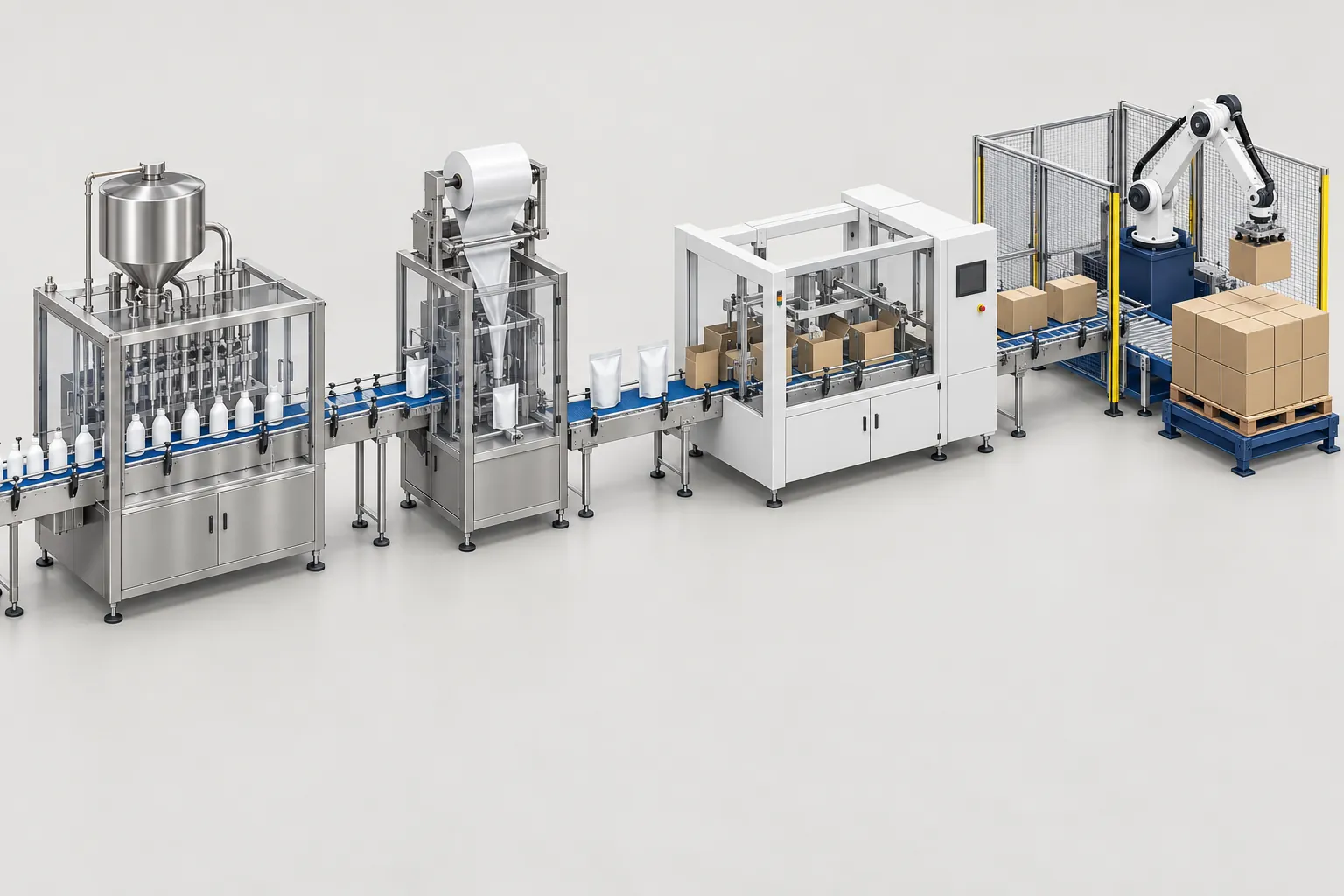
Packaging Machine Types: What Each Machine Does
A process-ordered guide to packaging machine types: what each machine does, which products and packs it suits, and the first question to ask a supplier.
Read guideGuides to packaging machine types and the choices between them: pouch machines, dosing and filling systems, wrapping formats, cartoning and case packing.
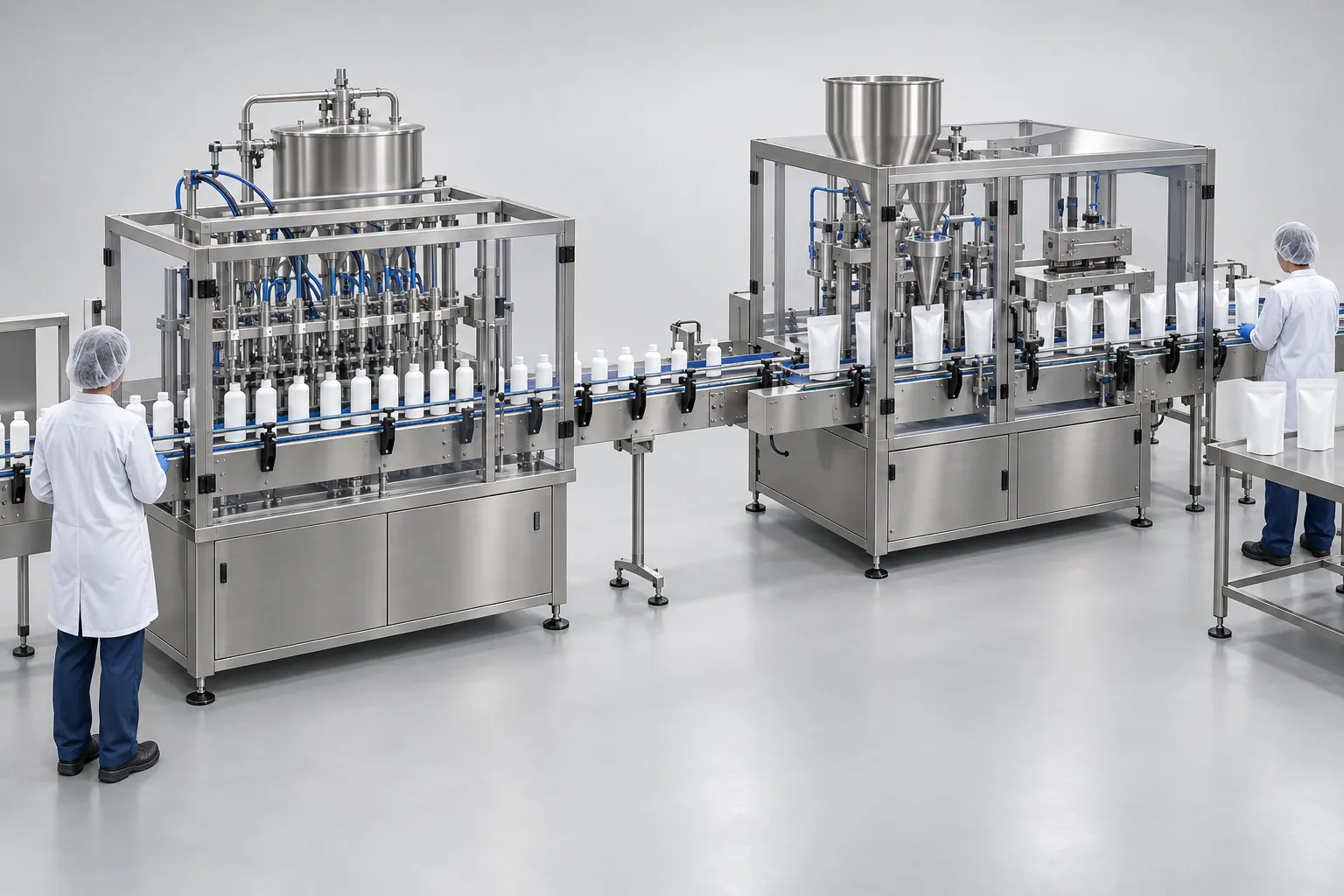
Most packaging equipment decisions come down to a choice between close alternatives: roll film or premade pouches, a weigher or an auger, a cartoner or a case packer. These guides are for equipment buyers, plant and production managers, automation and mechanical engineers, and maintenance and quality staff who have to make or support that choice. Each guide compares the options conditionally, lists what to ask suppliers and says what to test with your own product.
For individually formed pockets, the blister packaging machine guide explains forming routes, operator responsibilities and the information needed for comparable quotes.
After choosing combination weighing, use the multihead weigher combination scale setup guide to review hopper selection, sticky-product contact parts and discharge timing with the bagger.
The section is organized by packaging task, from dosing and filling through forming and sealing to cartoning and case packing. If the field is new to you, start with the overview. Otherwise go straight to the comparison that matches your decision.
The three packaging levels separate the task before you select a machine:
The section covers the main machine types along a packaging line, in primary, secondary and end-of-line packaging. It compares closely related options, such as VFFS and premade pouch machines or piston and pump fillers, and it treats dosing and filling systems for powders, granules, pieces, liquids and pastes. It also covers package formats such as pillow packs, overwrapped boxes, stick packs and sachets, along with supplier questions and checklists for trials and quotations.
It does not cover process equipment upstream of packaging, such as mixing, cooking or bottling-line utilities. It also leaves out machine-specific settings, adjustment procedures and maintenance steps, which belong to the machine manual and the supplier. Legal and regulatory advice is outside its scope as well. Requirements vary by market and product, and the guides only point to relevant references.
Swipe sideways to see the other columns. The first column stays visible.
| Task or process step | What to decide | Guide |
|---|---|---|
| Understand the line from infeed to pallet | Which machine types perform which tasks, and whether to buy combined or separate machines | Packaging machine types |
| Make and fill flexible bags or pouches | Roll film or premade pouches, bag style, changeover and material supply | VFFS vs. premade pouch machines |
| Make formed-pocket / blister packs | Forming route, operator responsibilities and quote scope | Blister packaging machines |
| Dose powders, granules and pieces | Volumetric or weighing-based dosing, and trial requirements for your product | Auger fillers vs. multihead weighers |
| Separate a gravity cup from a screw | Product flow, density, and a paired-lot record of cup level versus auger feed | Auger fillers vs. volumetric cup fillers |
| Fill liquids, creams and pastes | Piston or pump system, metering method, cleaning and product changes | Piston vs. pump filling |
| Wrap a product in film | Pillow-pack or folded overwrap structure, film and sealing | Flow wrapping vs. overwrapping |
| Connect a flow wrapper to the line | What each station does, from infeed to cutoff, and what it needs from feeding, film, coding, inspection and cartoning | Inside a horizontal flow wrapper |
| Trial a flow wrapper on cookies | Cookie count, orientation and tray support, who owns each transfer, and how to record breakage, count and seal-area crumbs by stage | Flow wrapper for cookies: trial checklist |
| Trial hand loading against automatic dosing for fresh produce | The named vegetable, the portion, the drops, the damage and the operator tasks | VFFS fresh-produce loading trial |
| Trial a shredded-cheese line from preparation to the bagger | Who owns clumping, dose variation, seal contamination, gas flush and cleaning access | VFFS shredded-cheese line trial |
| Pack single servings | Stick pack or sachet, lane count, opening and cartoning | Stick packs vs. sachets |
| Pack into cartons and shipping cases | Cartoner or case packer, loading method and end-of-line interfaces | Cartoners vs. case packers |
| Seal a foil liner under a cap | Which gap, torque row, and liner layers apply before output is raised | Induction cap sealing |
| Check film against the machine | Film properties and sealing behavior that affect running | Film and machine compatibility |
| Review a proposed coffee valve pouch | Pouch drawing, valve position, sealing and supply details to request | SunDance coffee valve pouch line checks |
| Review a metallic coating in place of foil | Coating and topcoat system, press route and claims to verify | Stahl Senoprint press review |
| Review a lower-carbon paper coating binder | Grade mapping, material change control and carbon-data documents | BASF rPCF binder checks |
| Connect new machines to a line | Mechanical, electrical, signal and safety interfaces | Packaging line integration checklist |
| Prepare a request for quotation | What to give suppliers so quotes can be compared | RFQ checklist for packaging machines |
For honey, use the honey pouch filling route checklist to separate premade pouches, roll-stock sachets and spoon containers, then record opening, nozzle release, sealing-area residue and cleaning access on one trial card.
The first question is what the product is like. Flow, fragility, stickiness, particle size and viscosity decide which dosing and filling systems are plausible at all. The comparisons of auger fillers and multihead weighers and of piston and pump fillers start from these properties. When the choice is a gravity cup or a screw, the auger and volumetric cup filler trial keeps the comparison on product flow and a paired-lot sheet.
Next is the pack and the reason for it. The retail or customer requirement behind a pack often points to a machine type. The comparison of VFFS and premade pouch machines and the guide to stick packs and sachets show how pack style and machine route connect.
Then there are the materials the machine will run. Film or pouch properties affect sealing and tracking. The film and machine compatibility guide lists the properties to ask a supplier about, and the flow wrapping guide covers wrap structures.
Fit with the line is a separate question. A machine that suits the product can still fail on interfaces, heights or signals. See the line integration checklist and the cartoner and case packer comparison for end-of-line connections.
Format change frequency matters too. Frequent changes raise the value of tool-free adjustment and recorded settings. Planning for them is covered in the format changeover checklist.
Supplier comparison depends on the request. Quotes are comparable only if requests are. Use the RFQ checklist and the supplier questions in each guide.
Last, decide what must be proved on your product. Rated speeds and accuracies come from the supplier and must be confirmed with your product and materials, first in trials and then during acceptance, as described in the factory and site acceptance guide.
The guide map below shows a reading path through the section. Start with the overview of packaging machine types, then follow the task that matches your decision: dosing, pack format (including formed-pocket/blister) or end of line. The path ends at the request for quotation, where your choices become written requirements.
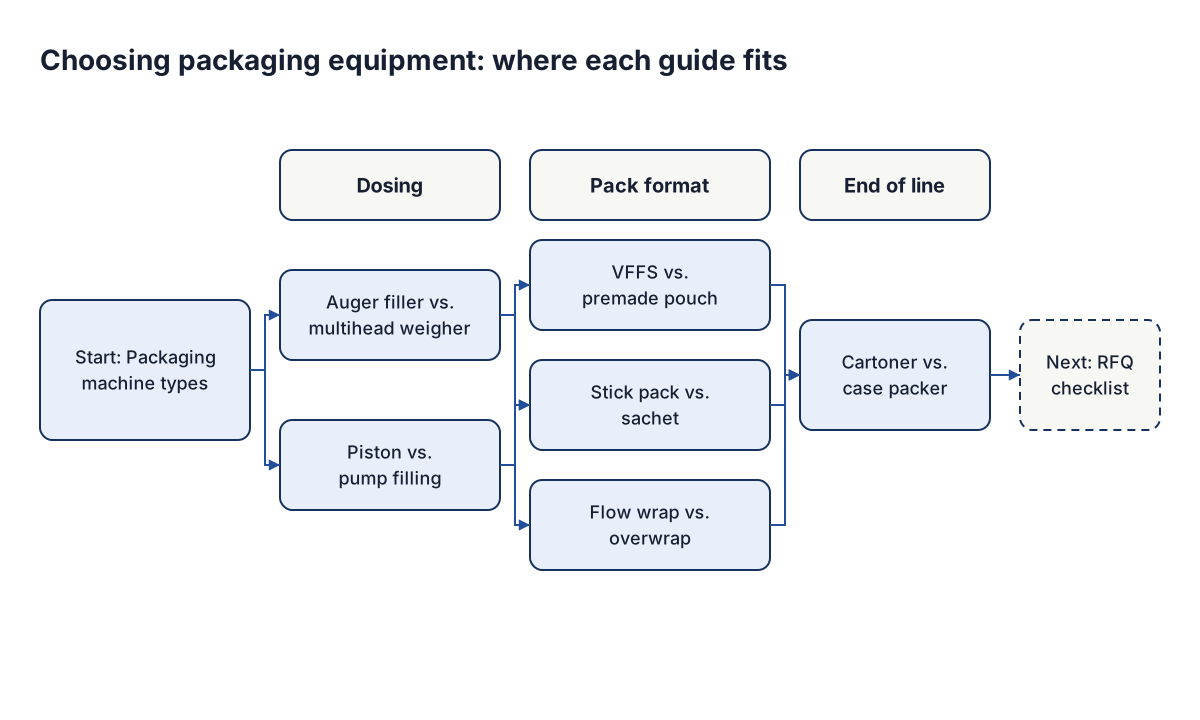
You rarely need every guide. A buyer of a powder pouching machine might read the machine types overview, the auger filler and multihead weigher comparison, and the VFFS and premade pouch comparison, then move on. A buyer of a liquid filler may only need the piston and pump comparison before turning to the quotation stage. The order matters more than the count. Settle the product behavior first, because it narrows the dosing choice, which in turn narrows the pack format and the machines that can follow.
Each guide ends with a limits and on-site verification section, which is part of the answer. The comparisons are conditional and cannot replace a trial with your own product, your own materials and the actual machine.
Reading-path links: machine types → dosing, liquid filling, pouch formats, formed-pocket/blister or end of line → RFQ checklist. The HTML links are the navigation; the drawing is only a reading aid.
Swipe sideways to see the other columns. The first column stays visible.
| Term | Meaning in these guides |
|---|---|
| Primary packaging | The pack that touches the product, such as a pouch, bag, bottle or wrapped bar |
| Secondary packaging | Packaging that groups or presents primary packs, such as a carton |
| Tertiary packaging | Packaging for handling and shipping, such as a case or pallet load |
| Dosing | Measuring a quantity of product, by volume or by weight, before it enters the pack |
| Volumetric filling | Dosing by displaced volume, for example screw revolutions or piston stroke |
| Combination weighing | Selecting a combination of weigh-hopper contents so the total is close to the target |
| Form-fill-seal | Forming a pack from film, filling it and sealing it in one machine |
| Premade pouch | A finished pouch supplied to the machine, which opens, fills and seals it |
| Fin seal | The lengthwise seal on a tube of film, common on pillow packs |
| Lane | One parallel production path on a multi-lane machine, such as a single stick pack track |
| Changeover | Switching a machine from one product or format to another |
Packaging choices affect other areas. Controls and signals are covered in the automation section, and the servo and pneumatic actuation guide explains how machine axes are driven, which affects changeover effort. How machines run once installed, including where output is lost, is covered in the plant operations section, starting from the bottleneck guide. Film, inspection and seal behavior are in materials and inspection. When the decision is made, the buying guides cover the quotation, acceptance and cost comparison.
A process-ordered guide to packaging machine types: what each machine does, which products and packs it suits, and the first question to ask a supplier.
Read guide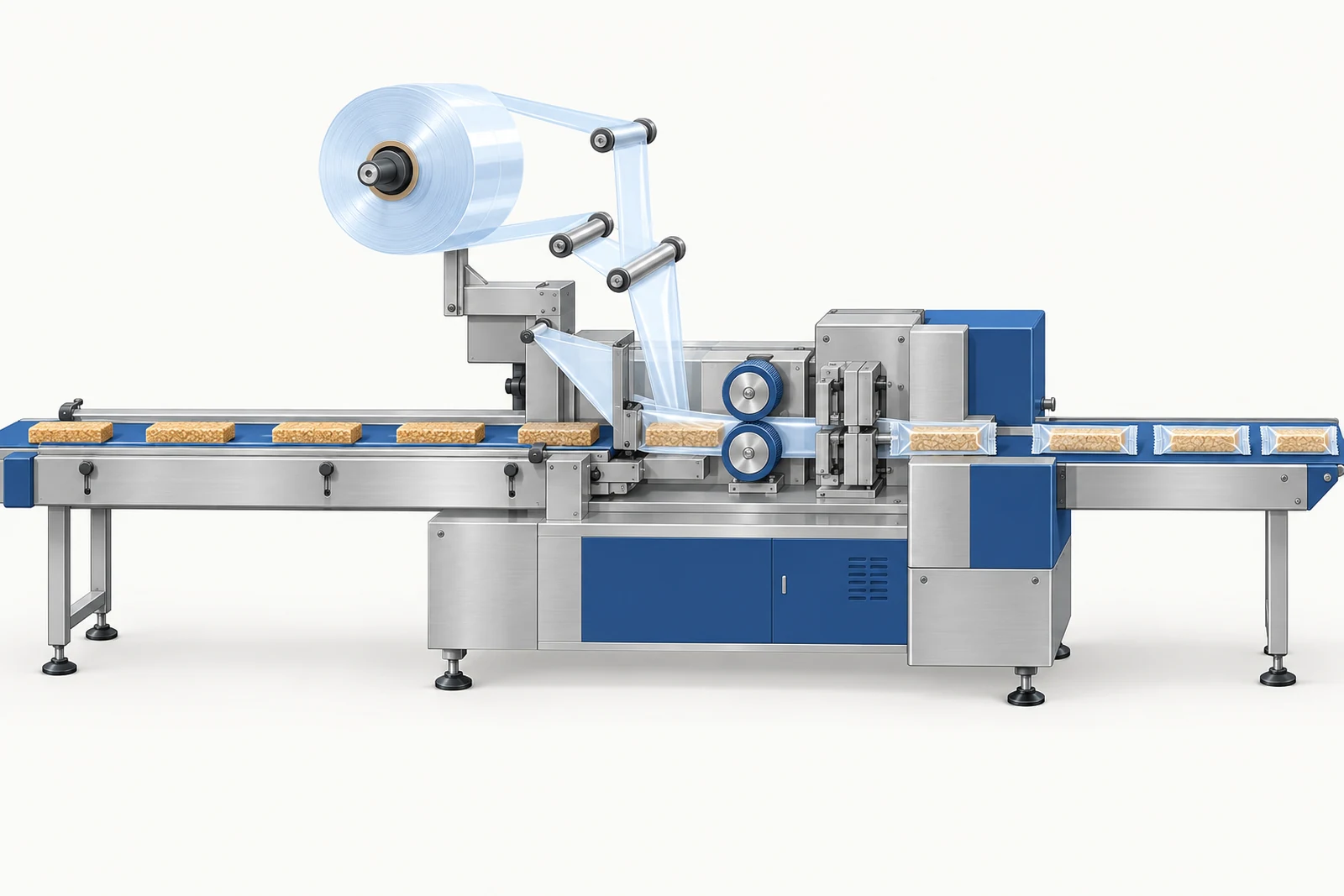
What each station of a horizontal flow wrapper does, from infeed and film path to fin seal, end-seal jaws, knife and discharge, and what it needs from the line.
Read guide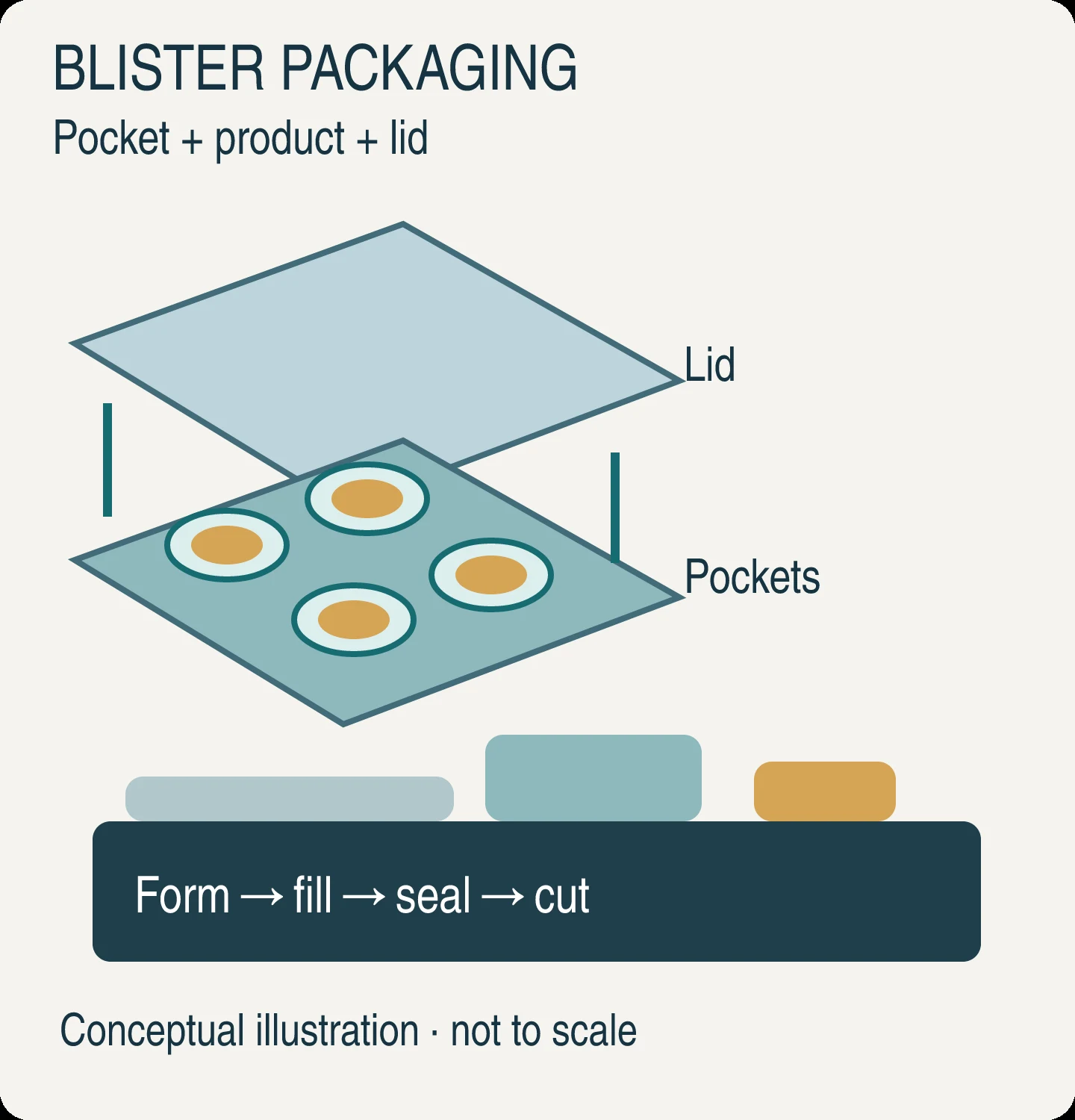
Compare blister machine workflows, forming routes and quote boundaries, with a practical checklist for tablet, food and pharmaceutical packaging projects.
Read guide
SunDance announced digitally printed coffee valve pouches. Review pouch handling, sealing, coding and the supply details missing from the release.
Read guide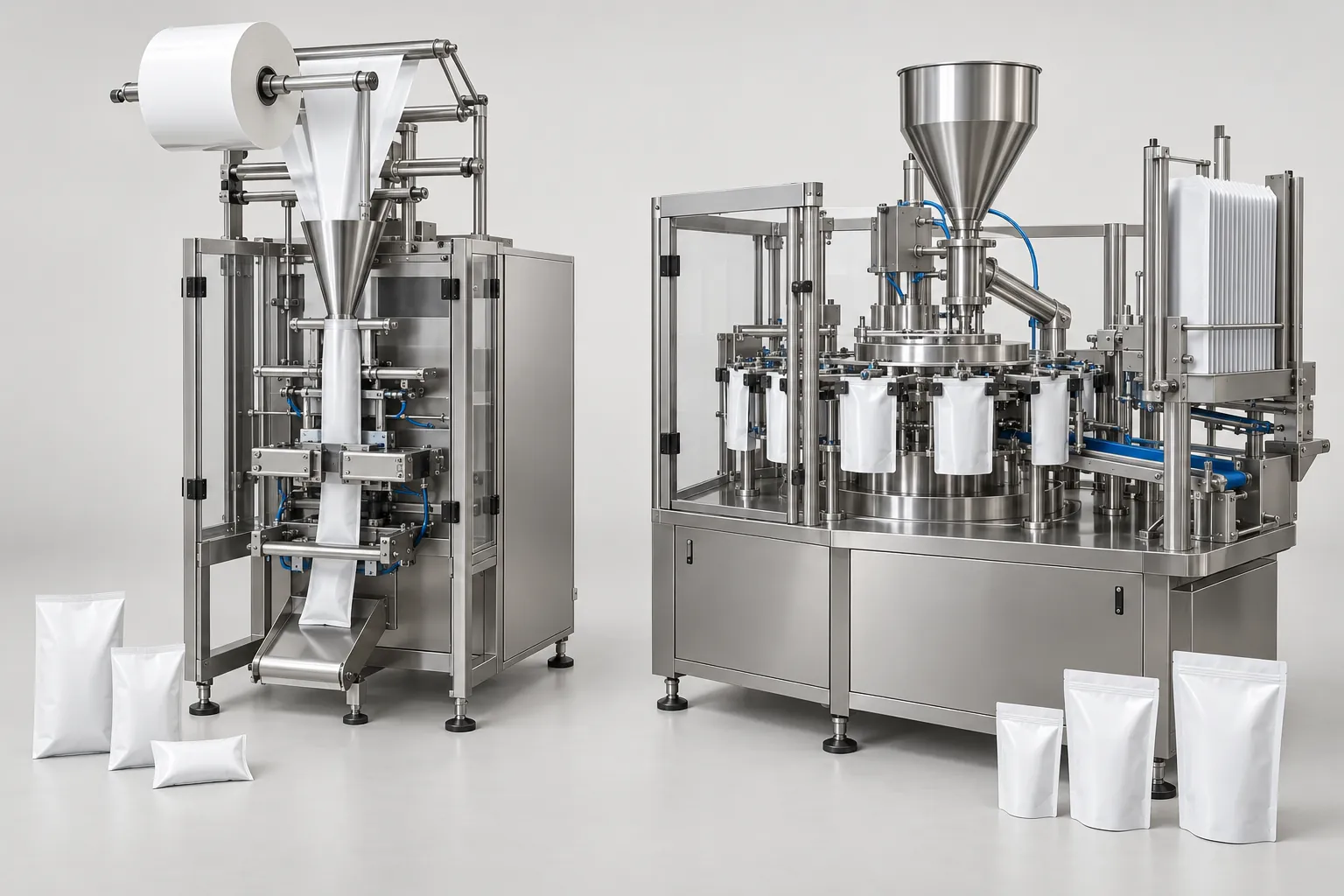
Compare VFFS and premade pouch machines by bag style, product, changeover, film or pouch supply, appearance, footprint and staffing, with questions for suppliers.
Read guide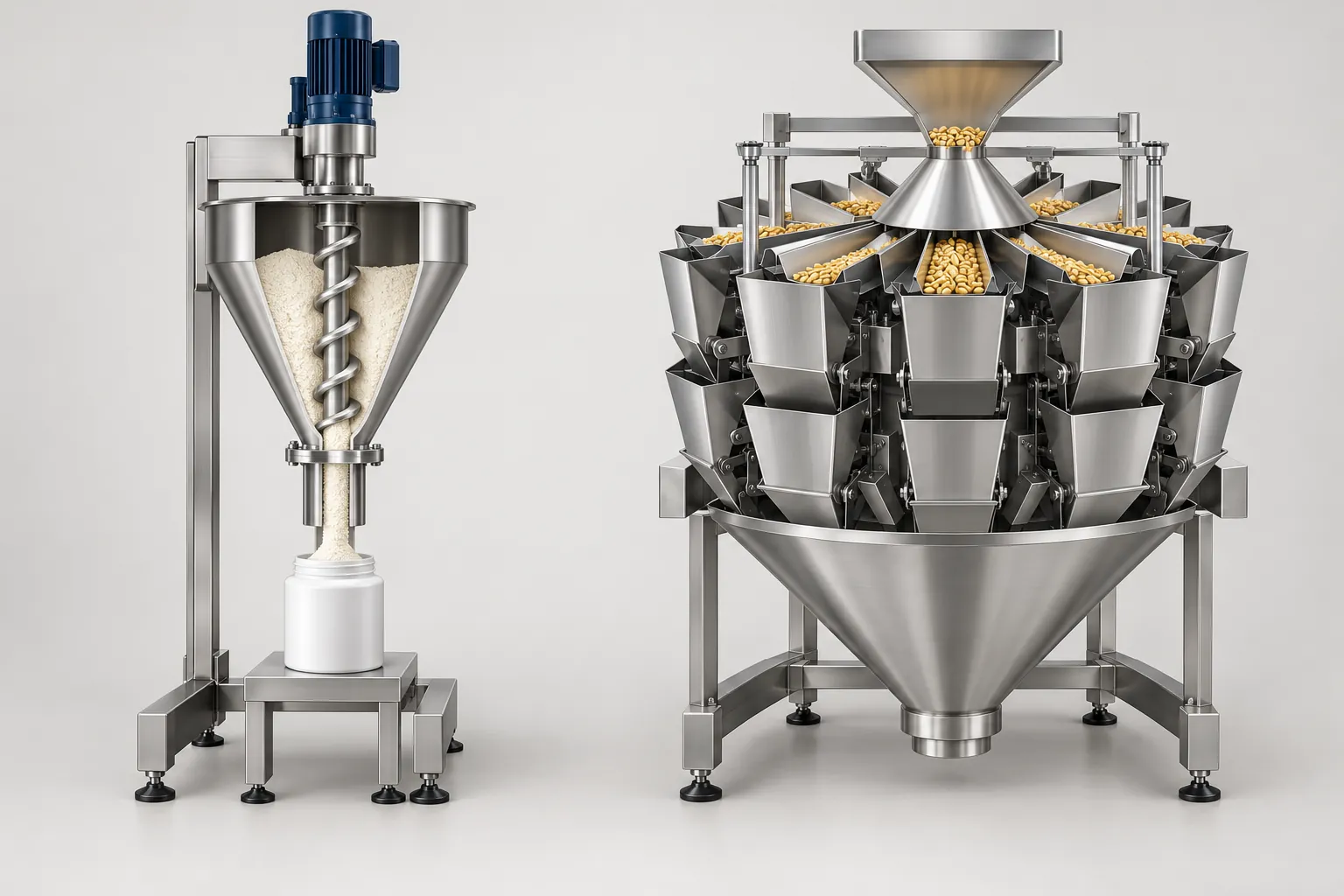
Compare auger fillers and multihead weighers by dosing principle, product flow, fragility, dust, cleaning and mixes, with supplier questions and trial guidance.
Read guide
Separate screw transport from gravity cup filling for a powder or granule, then record flow, density, dose, cup level, auger feed, residue and change parts on two lots.
Read guide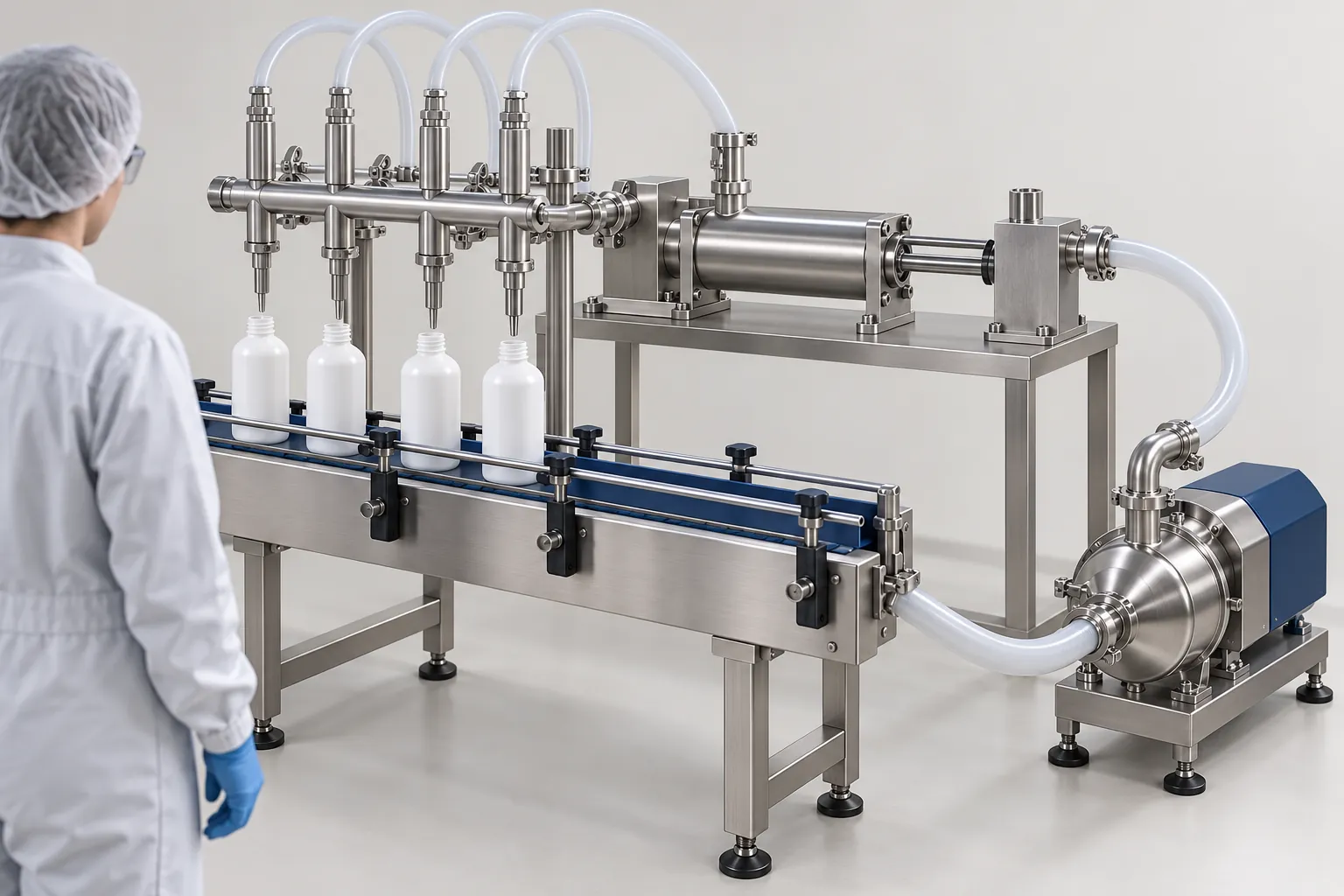
Compare piston and pump filling systems by viscosity, particulates, shear, cleaning, product changes, containers and metering method, with supplier questions.
Read guide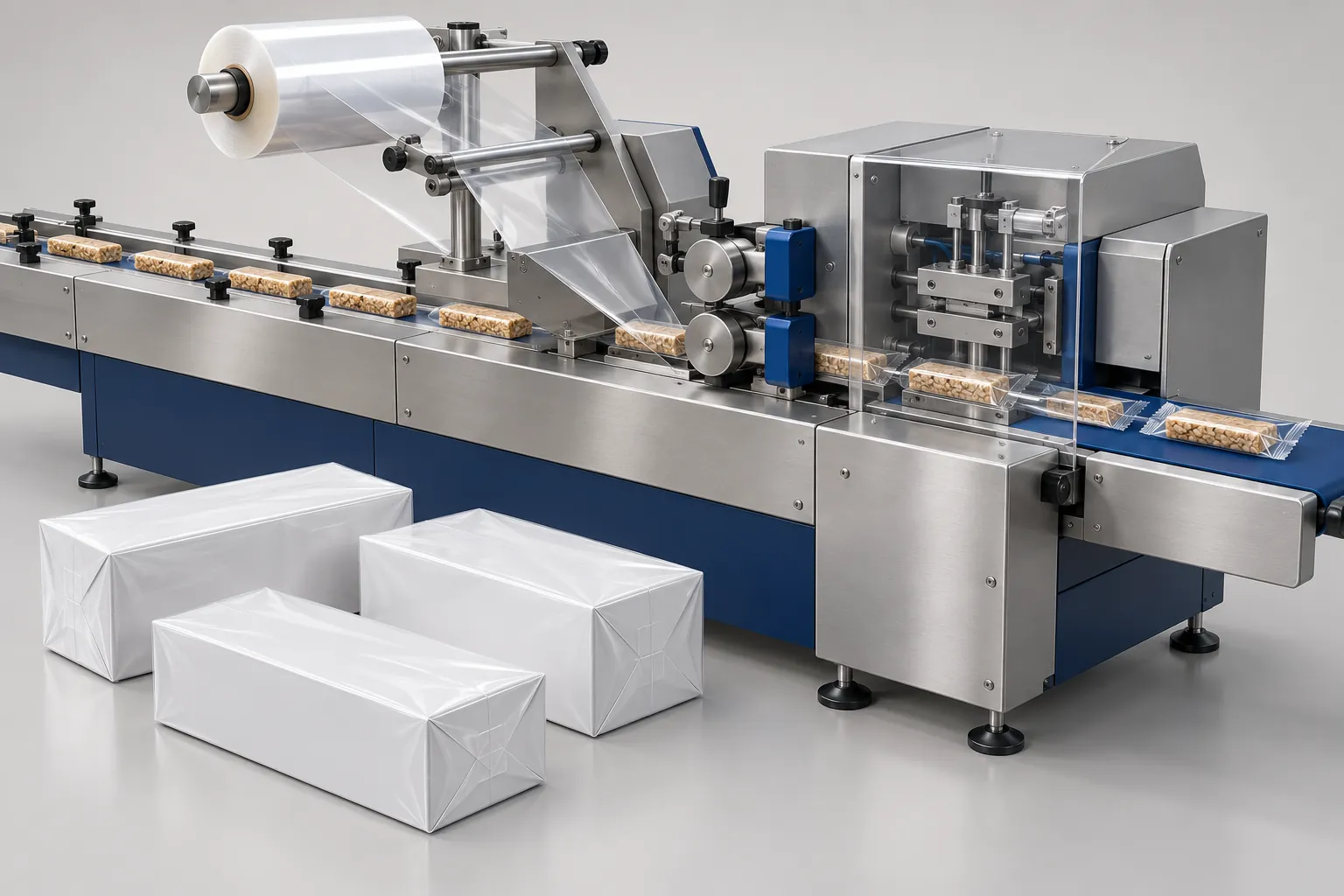
Compare flow wrap (pillow pack) and overwrap formats by seal structure, product shape, film, appearance, tamper evidence and machine questions for suppliers.
Read guide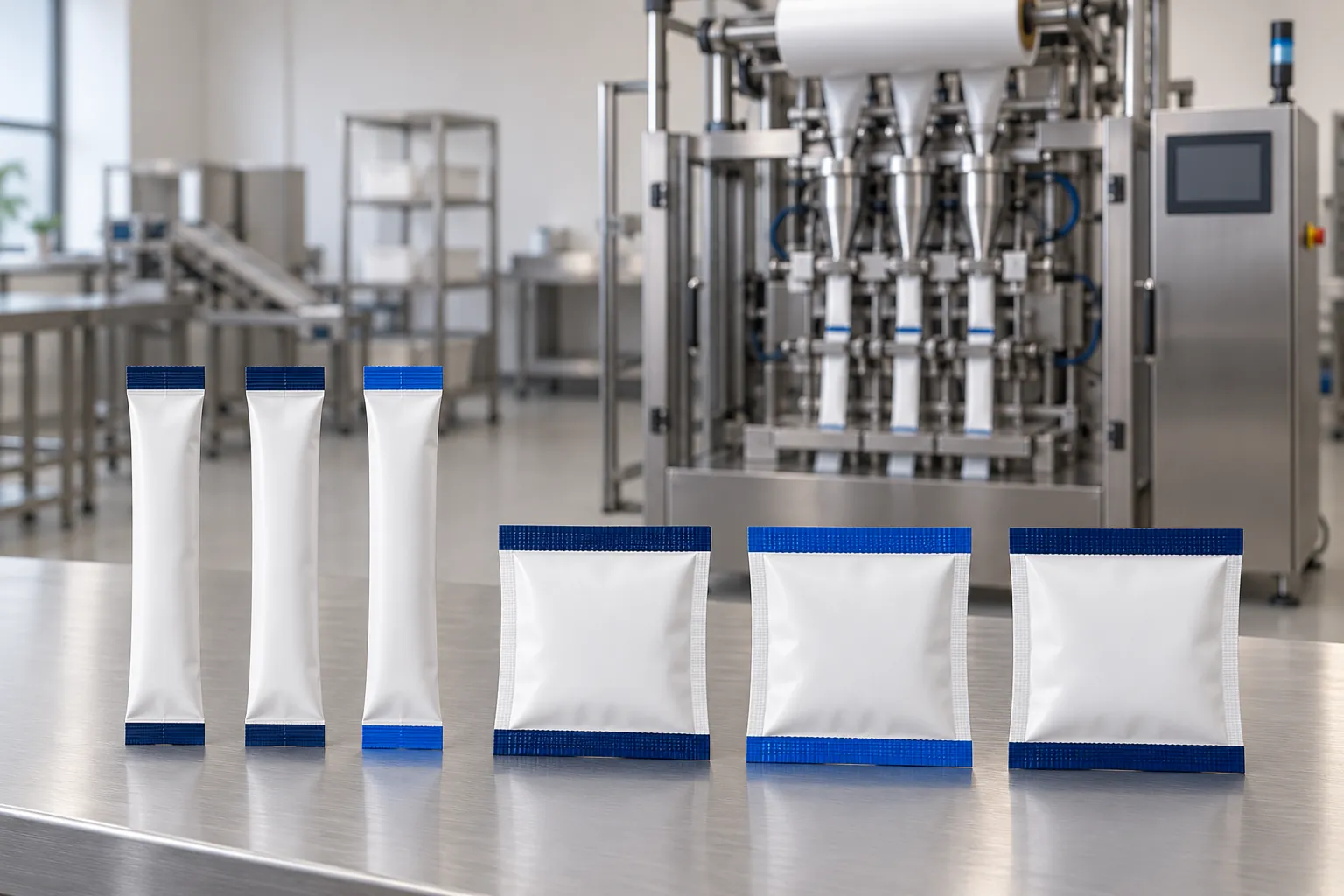
Compare stick packs and 3-side or 4-side seal sachets by seal structure, dose, opening, film use, display and multi-lane machine configuration for buyers.
Read guide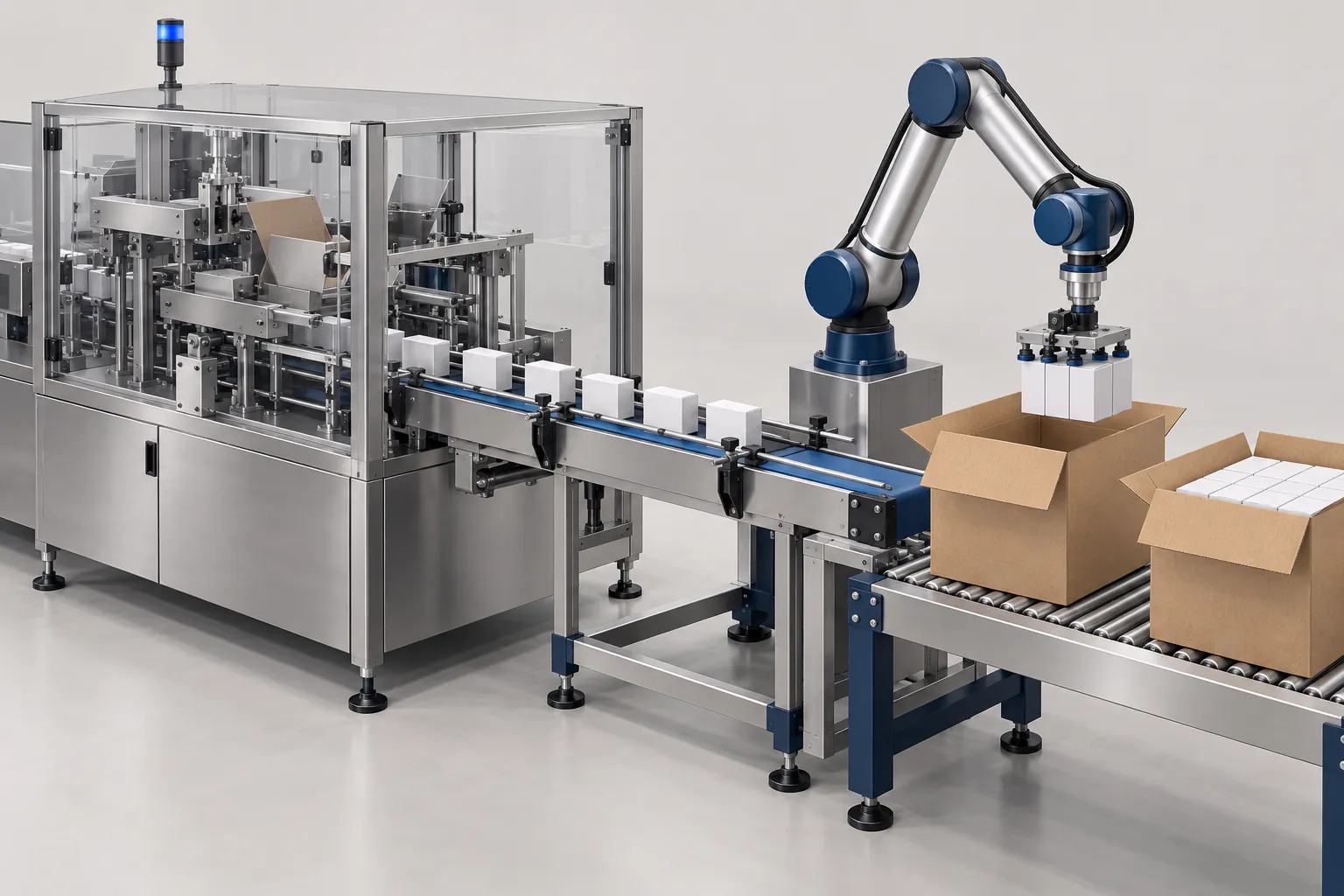
Compare cartoners and case packers by packaging level, loading style, product orientation, counting and end-of-line interfaces, with questions for suppliers.
Read guide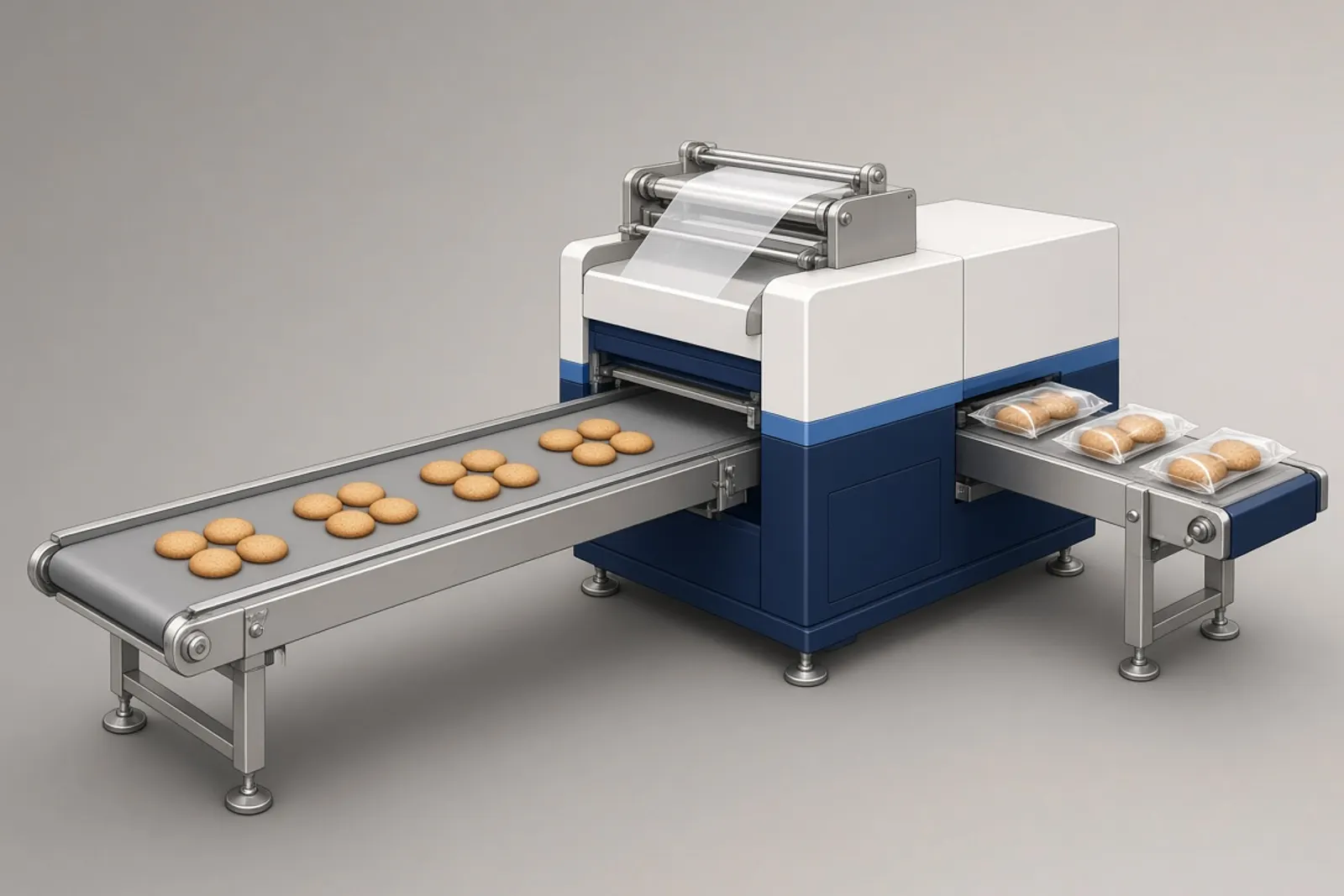
Before trialling a flow wrapper for cookies, fix the arrangement and the intake boundary, then record breakage, count, seal-area crumbs and rejects by stage.
Read guide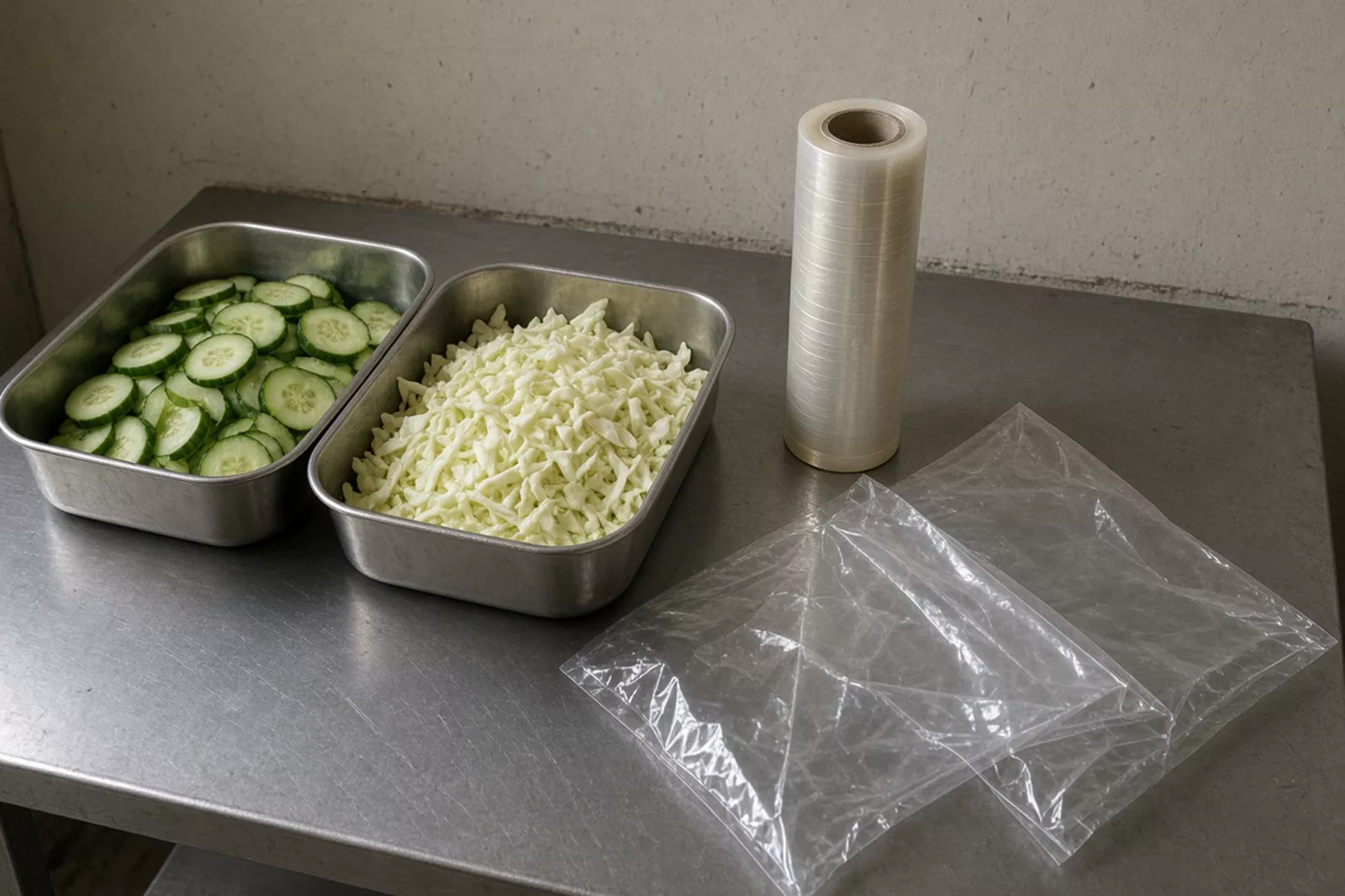
Name the vegetable, cut, portion and feed, then record drops, damage, missed doses and operator tasks before comparing hand loading with automatic dosing.
Read guide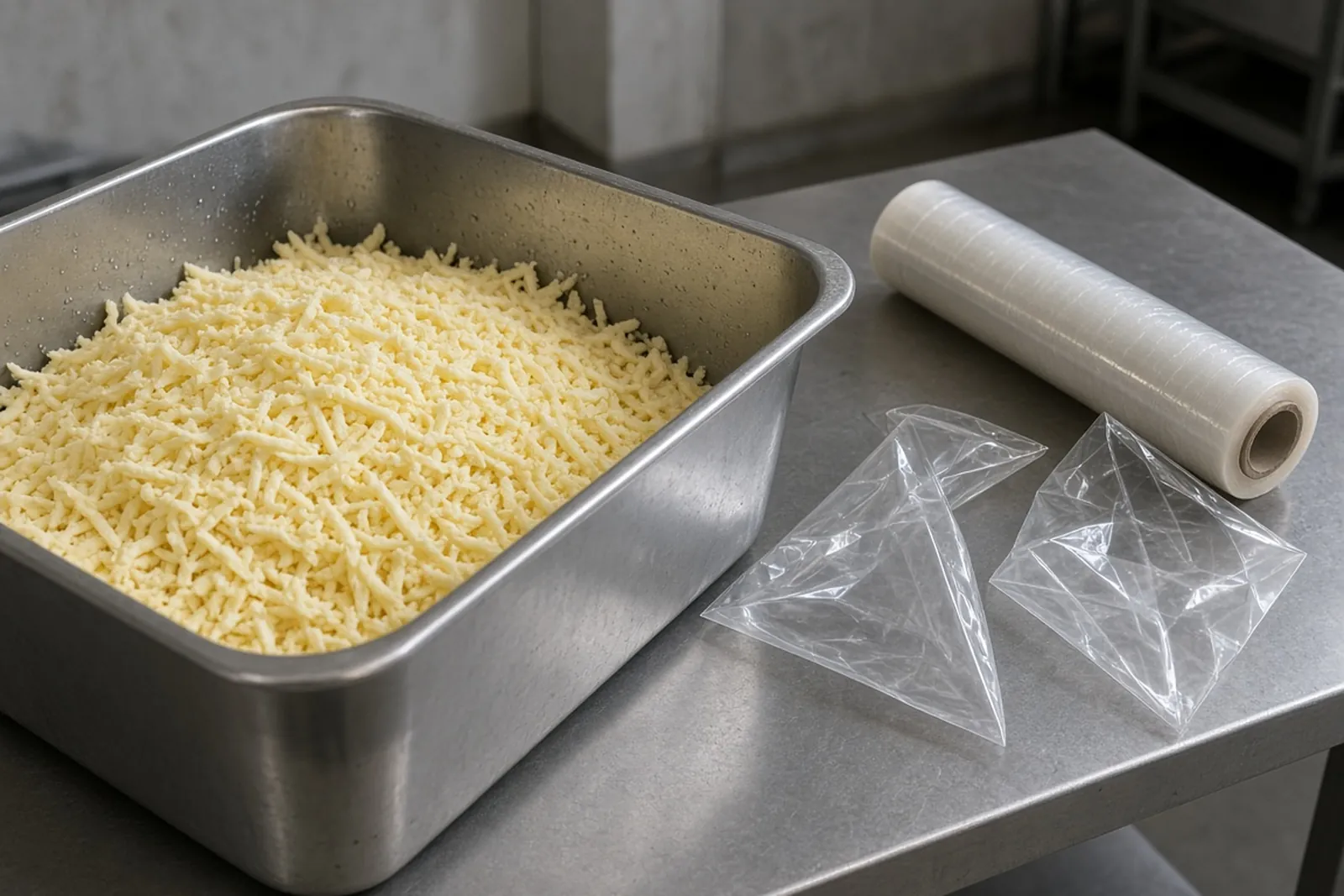
Split shredded-cheese preparation, weighing, sealing, gas flush and cleaning on one trial sheet, and leave speed, bag size and oxygen cells blank.
Read guideCompare honey pouch and sachet routes, then use a fill-to-seal trial card to record opening, nozzle release, seal residue and cleaning.
Read guide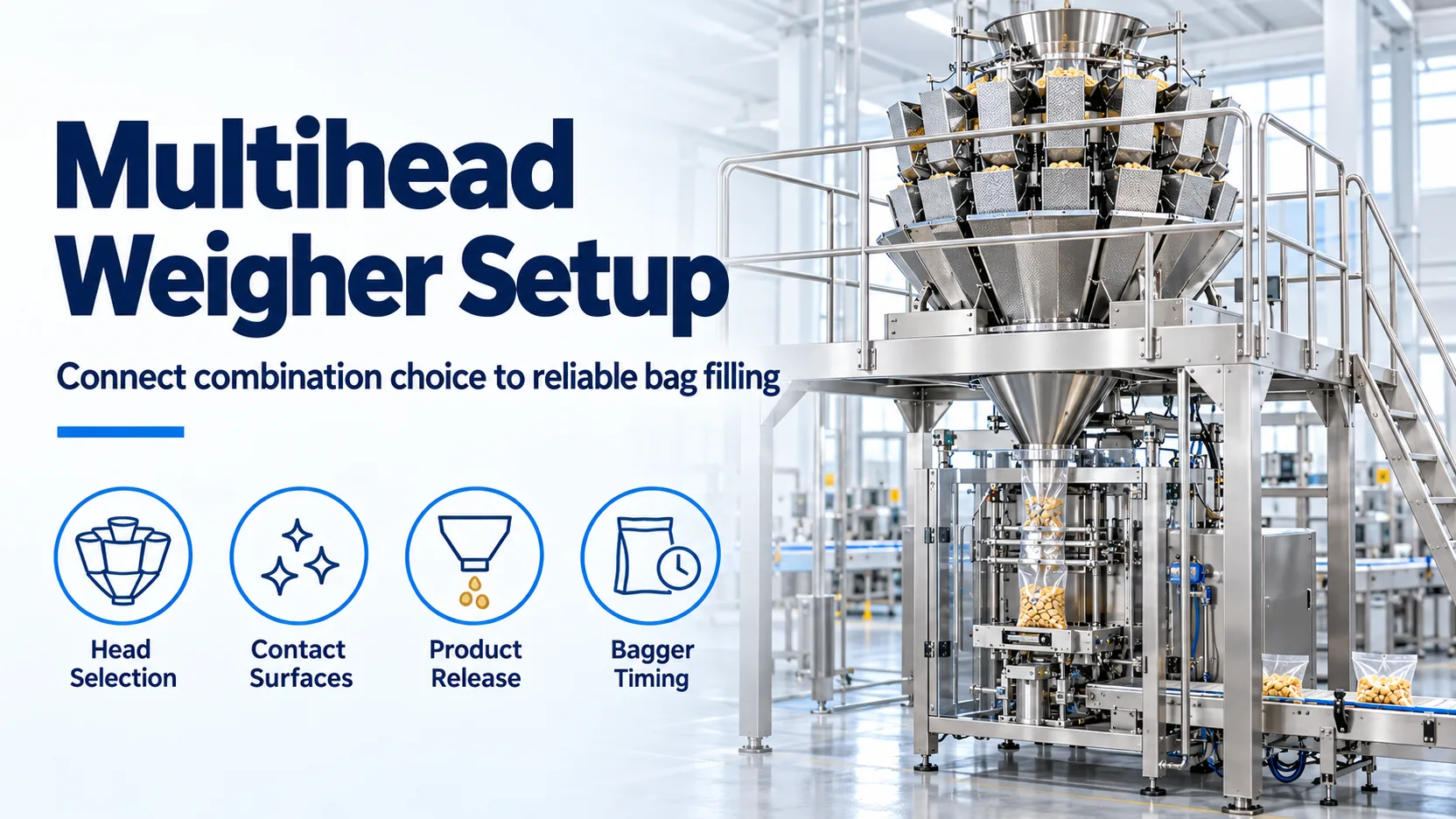
Set up a multihead weigher combination scale by checking hopper selection, sticky-product contact parts and the discharge handshake with the bagger.
Read guide
An induction seal fails when the foil misses the land. Match the head's printed gap, the liner's layers, and the cap's torque row before raising power.
Read guide