
Flow Wrapping vs. Overwrapping: Formats, Materials and Applications
Compare flow wrap (pillow pack) and overwrap formats by seal structure, product shape, film, appearance, tamper evidence and machine questions for suppliers.
The wrong wrap can fail the product protection or opening requirement. Flow wrapping suits products that can be fed in a line and enclosed in a continuous film tube, with a lengthwise fin seal and two crimped end seals. Overwrapping suits boxes or rigid items that need a film skin with folded, heat-sealed ends. Which one fits depends on product shape, pack appearance, film and the opening or tamper-evidence requirement.
Applies to: Covers horizontal flow wrappers and overwrapping machines for solid products such as bars, trays, cartons and boxes. Does not cover vertical form-fill-seal bagging, shrink bundling, stretch wrapping or machine-specific settings.
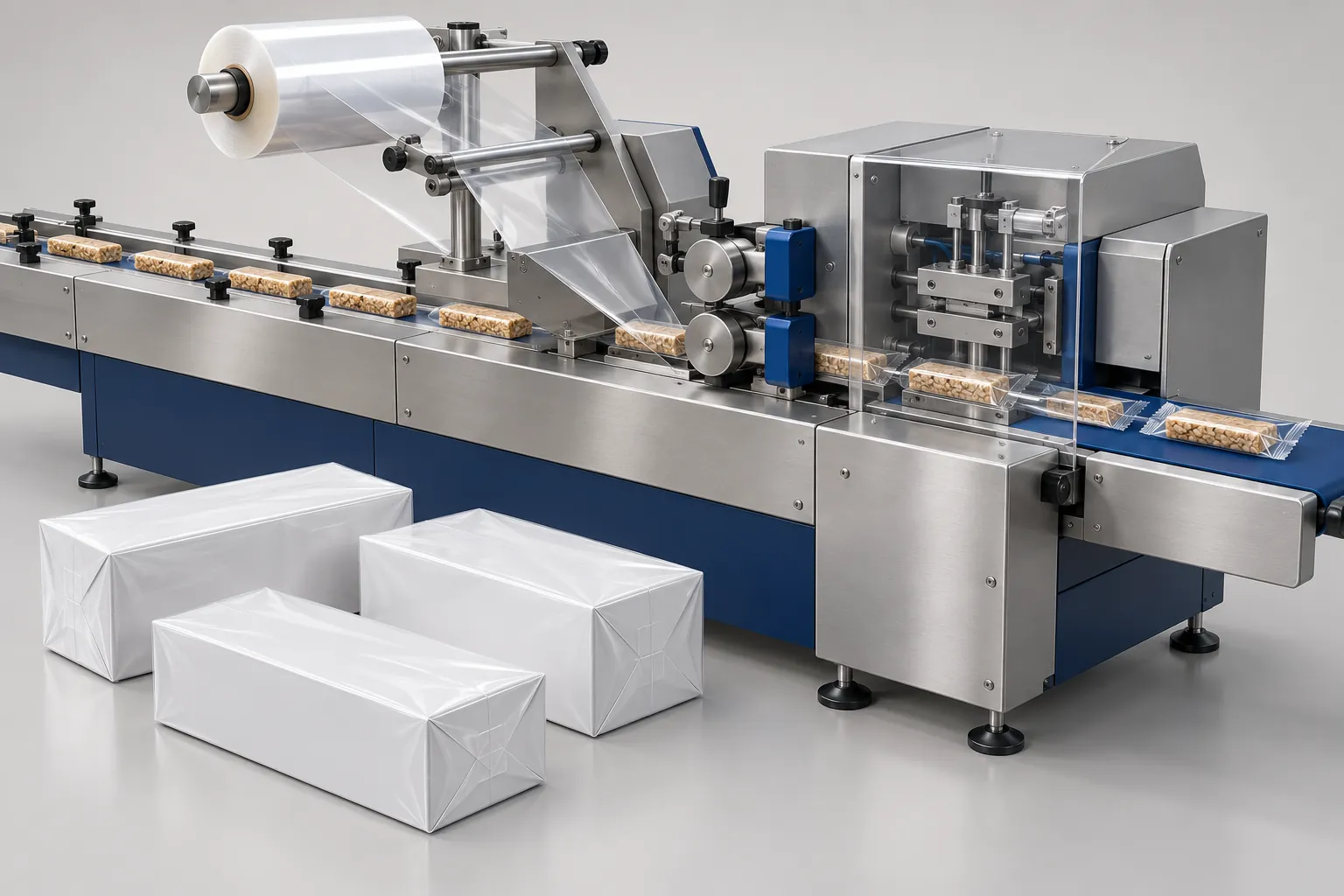
A wrap chosen for appearance alone can miss the protection or opening requirement. Compare a film tube with end seals against a folded skin around a supported product, then verify the actual pack.
Swipe sideways to see the other columns. The first column stays visible.
| Decision | Flow wrap | Overwrap |
|---|---|---|
| Pack shape | Film tube / pillow format | Folded skin around a defined shape |
| Product support | Confirm feed, spacing and support through the tube | Product/carton supports folding |
| Seal geometry | Longitudinal seal and transverse end seals | Body overlap and folded ends |
| Barrier and opening | Validate seal, material and opening feature | Validate protection and tear-tape/opening design |
This comparison uses public equipment descriptions, not our own tests. The heat-sealed, underside-fin example below is a typical configuration; seal position, material and sealing technology need confirmation for the proposed machine.
How each format is built
The difference starts with the film path. A flow wrapper makes a tube around the product, and an overwrapper folds film around it.
Flow wrap (pillow pack)
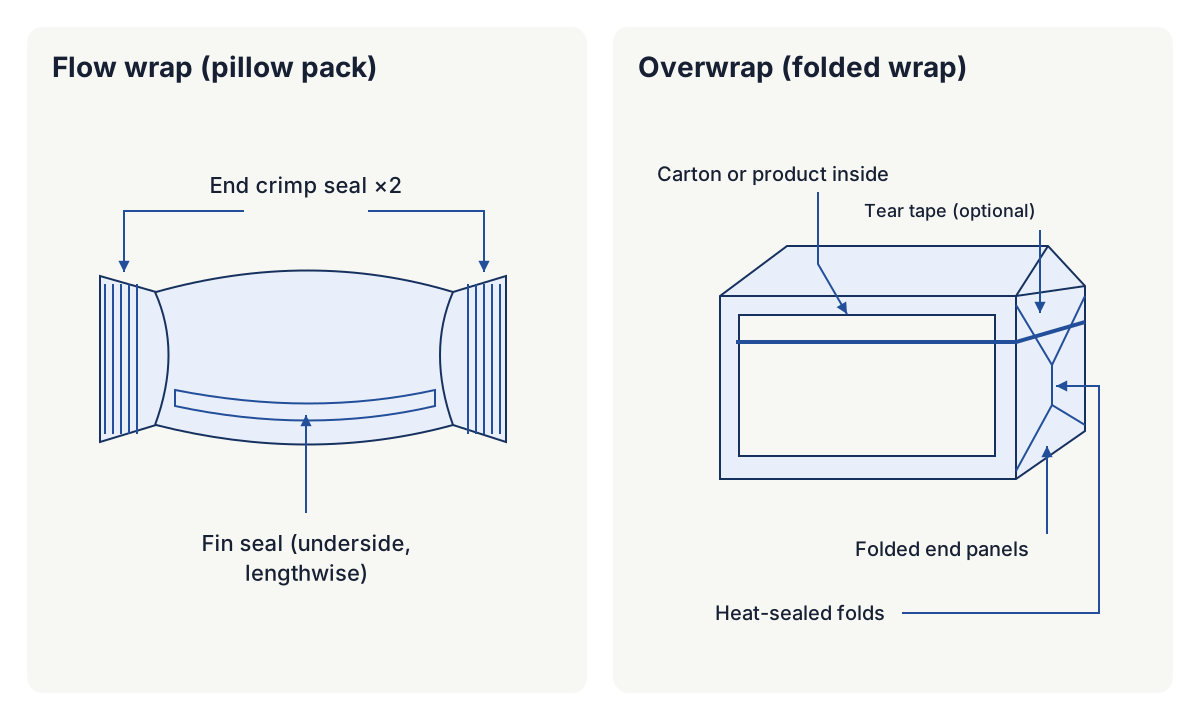
A flow wrapper pulls film from a reel and forms it into a continuous tube. Products arrive in a line, usually on an infeed conveyor with lugs or a timed feed, and enter the tube one after another. A longitudinal seal joins the film edges along the tube. In the illustrated conventional configuration it is an underside fin seal; the proposed machine and pack drawing determine seal type and position. Rotating or reciprocating crimpers then seal across the tube at the leading and trailing edge of each product. Both end seals are made in one operation and a knife cuts between them, so each pack gets a trailing seal and the next pack gets a leading seal.
Because the tube is continuous, pack length equals the product length plus the film needed for the end seals. On printed film, a registration mark lets the machine place the cut and the end seals relative to the print. What each station of a flow wrapper does, and what it needs from the product feed, film, coder and downstream machines, is covered in our guide to the inside of a horizontal flow wrapper.
Overwrap (folded wrap)
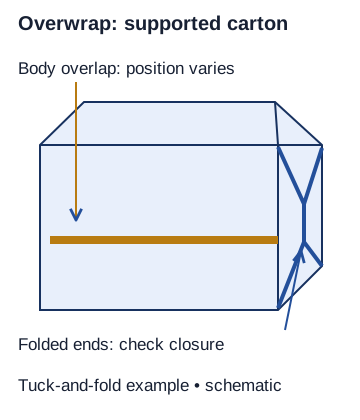
An overwrapper takes a product that already has a defined shape, often a carton or rigid box, and wraps a sheet of film around it. The film is cut to length, laid around the product and joined along the body. The ends are folded into panels, much like wrapping a gift, and the folds are heat sealed. Some formats add a tear tape, a thin strip under the film where the consumer starts opening the pack.
The structure depends on the product holding its shape during folding. That is why overwrapping is associated with cartons, boxes and other rigid items, while flow wrapping can also handle soft or irregular products, as long as they can be fed in a line.
Why the seal layout matters
In a flow wrap, the fin seal runs the full length of the pack and the end crimp seals cross the tube. Leak investigations tend to focus on the points where the fin seal meets the end seals, because several film layers overlap there. In an overwrap, the sealed areas are the folded ends and any longitudinal overlap. The seal is made between layers of folded film rather than across a pressed tube, so sealing pressure and temperature act on a different geometry. Whether a seal is adequate for the intended use is settled by testing the actual film, not by the format name. One relevant reference is a standard test method for seal strength of flexible barrier materials. It defines how seal strength is measured, not what value is acceptable.
Conditional comparison
The table compares the two formats on the points that most often decide the choice. “Suits … when” means the format is a plausible fit under that condition, not that it is the only one.
Swipe sideways to see the other columns. The first column stays visible.
| Decision point | Flow wrap (pillow pack) suits when… | Overwrap (folded wrap) suits when… |
|---|---|---|
| Product shape | The product can be fed in a single line with consistent spacing, including bars, biscuits, trays, tubes and some soft or irregular items | The product is a carton, box or other rigid item with square or rectangular edges that can take folded corners |
| Product support | The film tube can carry the product, and a slightly loose or fitted pack is acceptable | The product must hold its shape while film is folded around it |
| Pack appearance | A pillow-shaped pack with a visible fin seal and crimped ends is acceptable, or printed film carries the design | A close-fitting film skin over a printed carton is wanted, so the carton graphics show through |
| Film type | For the heat-sealed example, the mating surfaces must seal under the proposed conditions; other configurations require their own material validation | The chosen film or paper works with the folding and closure system; clear material is an appearance choice |
| Seal type | A fin seal plus two crimp seals meet the protection requirement | Heat-sealed folds meet the protection requirement; a fully hermetic seal may not be the aim |
| Opening and tamper evidence | Easy-open features, notches or tear strips are built into the film or the end seals | A tear tape, a visible film skin or a seal over the carton opening is part of the pack design |
| Format changes | The product size range fits within the former and the adjustable parts of the machine | The carton or box size range fits within the adjustable fold and sealing parts |
| Output and footprint | Line-fed products and a continuous process fit the plant layout | Discrete cartons arriving from a cartoner fit the plant layout |
Product shape and support
Flow wrapping is flexible about shape because the film tube forms around whatever is in it. The limits are feeding and spacing. The product has to enter the tube in a controlled way, with enough clearance and a consistent pitch. Fragile products can break at the infeed or at the crimp, so the feeding method needs attention. For cookies and biscuits, the cookie feeding trial checklist sets out how to describe flat, on-pile and on-edge arrangements and where to record breakage during a trial.
Overwrapping depends on the shape of the product. A carton with square edges gives clean folds, while a product with weak or uneven corners can crush or leave wrinkled folds. When the product is a carton, overwrapping typically sits downstream of a cartoner. Our guide to cartoners and case packers shows how that secondary packaging step is arranged.
Film and appearance
Flow wrap film is usually printed, because the film is the graphic surface and often the barrier layer. The machine reads a registration mark to position the print. If the film must also block moisture or oxygen, that is a film specification question as much as a machine question.
Overwrap film is often clear, because the carton underneath carries the graphics. Clear options include coated or laminated materials with different folding and sealing behavior. Cellulose-based film, often called cellophane, is a historical example associated with overwrapping. Whether it, a polymer film or another material suits a given job depends on the machine’s folding and sealing system and on the product. The guide on film and machine compatibility covers the film properties that affect running on either format: tension, coefficient of friction, sealing window and registration.
Where each format is used
These applications are examples, not rules.
Flow wrap is widely used for bars, biscuits, confectionery, bakery items, tubes, medical disposables and a range of non-food items. It is also used for multipacks of smaller packs.
Overwrap is common on cartons of cigarettes and similar products, boxed confectionery, stationery and other cartons sold with a film skin. For consumer products in cartons, the film overwrap sometimes serves as the tamper-evident or protective layer.
Either format may also appear as a secondary packaging step, for example wrapping a group of primary packs. That is why both appear in the secondary band of the line map in our packaging machine types overview.
Verification record to copy
Use one record per product, film and proposed configuration. Attach drawings and agreed test results; speed claims need product, pack and film conditions.
Swipe sideways to see the other columns. The first column stays visible.
| Check | Input / evidence | Result / acceptance source |
|---|---|---|
| Support and infeed | Sample dimensions, spacing, fragility: ________ | Damage / feed trial: ________ |
| Seals and material | Seal drawing, film grade, technology: ________ | Seal test / specification: ________ |
| Barrier / shelf life | Protection requirement and pack test: ________ | Result / approval: ________ |
| Opening | Tear tape, notch or other feature: ________ | Opening trial / criteria: ________ |
| Format change | Changed parts, settings and operator tasks: ________ | Trial / sign-off: ________ |
| Safety and wear parts | Manual, review and parts list: ________ | Document references: ________ |
Use the RFQ checklist to retain these conditions when comparing proposals.
Protection, film reuse and opening
A wrap name does not establish airtight protection. Define barrier, seal-integrity and shelf-life requirements and record the actual pack tests; a folded outer wrap should not be accepted as hermetic on appearance alone.
Using one material on both formats is a trial question: compare the mating seal surfaces, folding behavior and the approved machine process before reusing a reel specification. Syntegon’s public flow-wrapper documentation includes hot, cold and ultrasonic sealing options, so heat sealing is not universal.
Tear tape is an opening aid in the manufacturer overwrap examples. Its presence alone does not establish opening force, complete film removal or tamper-evidence performance; retain an opening test against the pack’s requirement.
Worked comparison
Assumed example. Take a plant that packs a rectangular bar and a boxed multipack of the same bars. The bar is soft with slightly rounded edges and arrives in a single line from the cooling conveyor. The multipack is a printed carton that already carries all the graphics. The conditions are made up for illustration and are not measured or market data.
For the single bar, a flow wrapper suits the line-fed product, and the printed film carries the graphics. For the carton, an overwrapper suits the rigid shape, and clear film lets the carton print show through. The two formats do not compete here. They sit at different packaging levels and take different inputs, so the decision follows pack level and product shape rather than a ranking of machines.
Limits and on-site verification
This guide cannot settle which format your product needs. These points need confirming with real product and film on the actual machine:
- Sealing behavior. Fin seal, crimp seal and folded seals depend on film, temperature, pressure and dwell. The film supplier and machine builder provide acceptable ranges, and you confirm them with your materials. When seal faults appear in production, a structured seal defect investigation helps separate material, machine, product and method causes.
- Product feeding. Spacing, orientation and product damage at the infeed and crimper show up only in a trial with real product.
- Pack appearance and opening. The people who will run and sell the pack should judge fin position, fold neatness, tear tape behavior and ease of opening.
- Protection requirements. If the pack must meet barrier, shelf life or tamper-evidence requirements, define them first and check the pack against them with an agreed test.
- Regulations and labeling. Rules for markings, contact materials and tamper evidence vary by market and product, so check them for your case.
The heated sealing parts, moving knives, crimpers and fold mechanisms on these machines are the main hazards. Work on them only after isolating energy as the machine manual describes, and keep guards and interlocks in place, including when clearing a jam or adjusting a part. The site risk assessment under ISO 12100 and review by qualified personnel should cover the guarding.
Related decisions
To see where flow wrapping or overwrapping sits in a whole line, the overview of packaging machine types shows the primary, secondary and tertiary stages. For carton-based secondary packaging, see cartoners and case packers. Film selection questions continue in film and machine compatibility.
Method and source review
Manufacturer mechanism review: October 8, 2026. These are public descriptions, not our test observations or recommendations:
- Syntegon, horizontal flow-wrapper documentation, process FAQ and “Sealing competence”: form/fill/fin-seal operation and hot, cold and ultrasonic sealing options.
- Marden Edwards, cosmetics overwrapping documentation, capabilities: supported cartons, folded ends and body-seal positioning.
- Marden Edwards, pharmaceutical overwrapping documentation, capabilities: folded wrapping and easy-open tear tape.
The blank record supplies evidence fields, with acceptance set by the product and pack specification.
References
- EN 415-10:2014 — Safety of packaging machines — Part 10: General requirements — CEN
- ANSI/PMMI B155.1-2023 — Safety Requirements for Packaging and Processing Machinery — PMMI
- ISO 12100:2010 — Safety of machinery — General principles for design — Risk assessment and risk reduction — ISO
- ASTM F88/F88M-23 — Standard Test Method for Seal Strength of Flexible Barrier Materials — ASTM International
Update history
- : First published.
- : Added a wrap decision overview, bounded the illustrated sealing configuration, separated seal diagrams and converted supplier prompts into verification fields.
- : Linked the fragile-product feeding point to the new cookie arrangement and feeding trial checklist.
Next steps
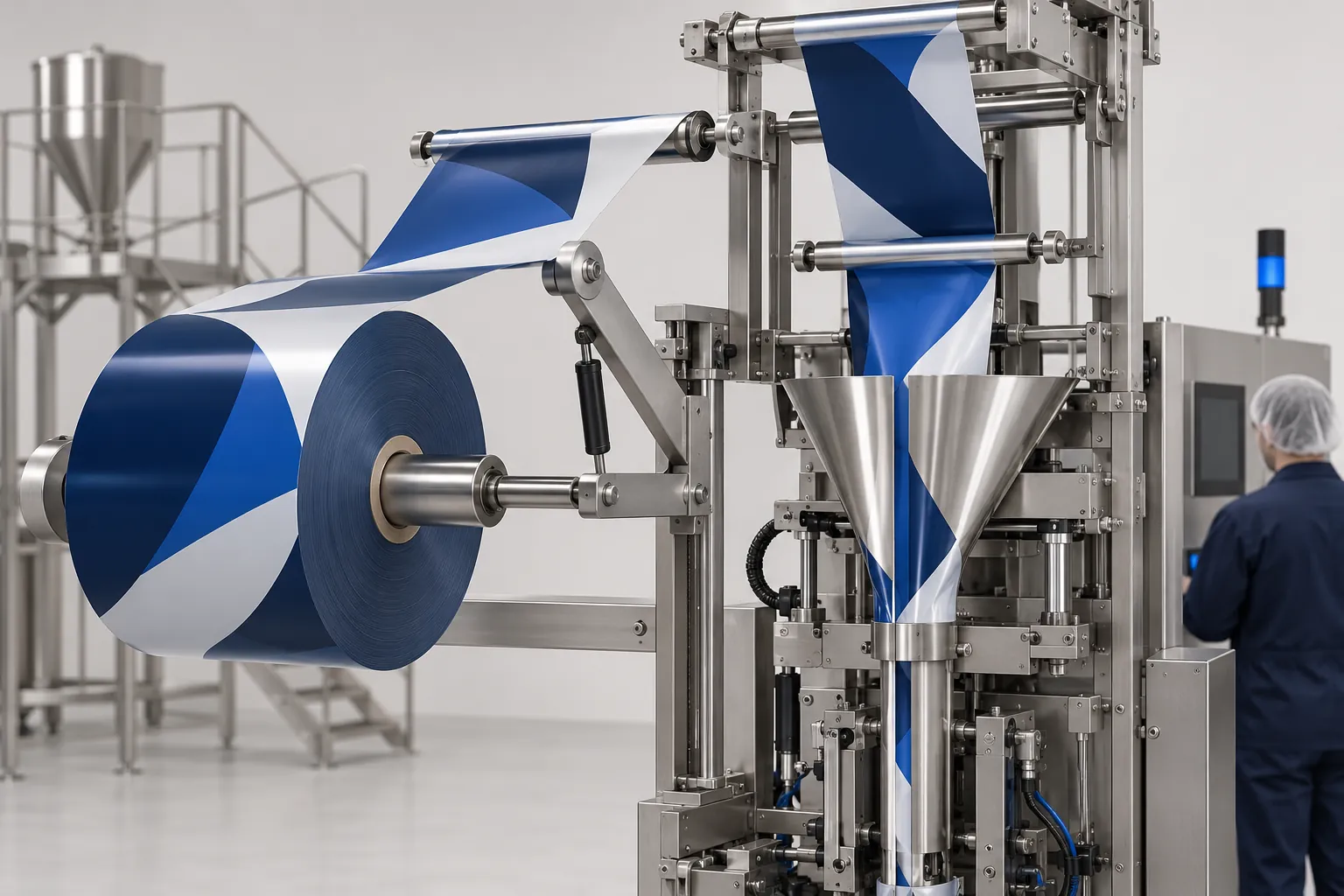
Packaging Film Compatibility: Questions Beyond Film Thickness
Follow the film path from reel to cut-off and list what to ask the film and machine suppliers about tension, friction, registration marks and sealing.
Read guide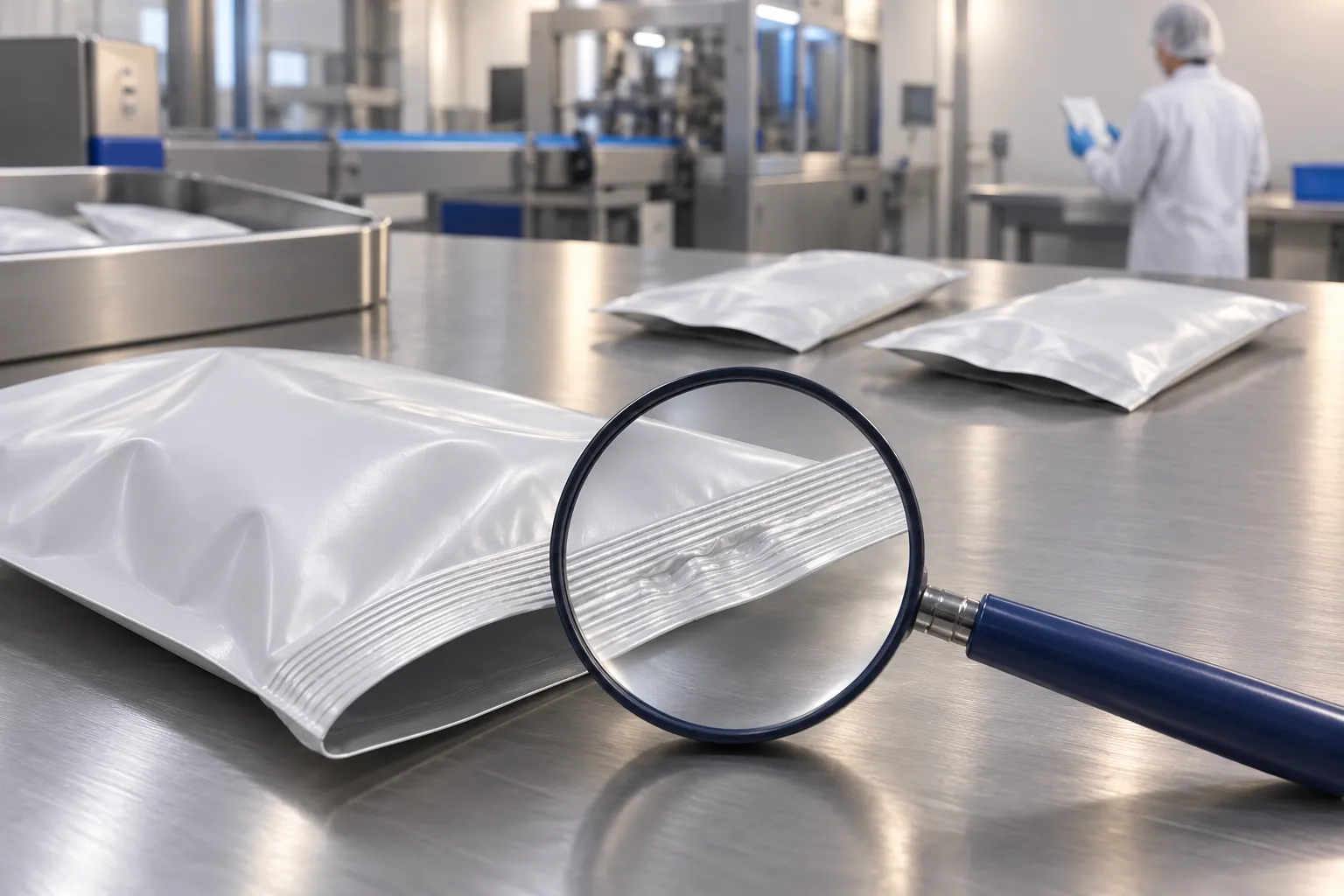
Packaging Seal Defects: An Evidence-Based Investigation Checklist
Investigate packaging seal defects by containing suspect product, collecting evidence, testing with agreed methods and changing one variable at a time.
Read guide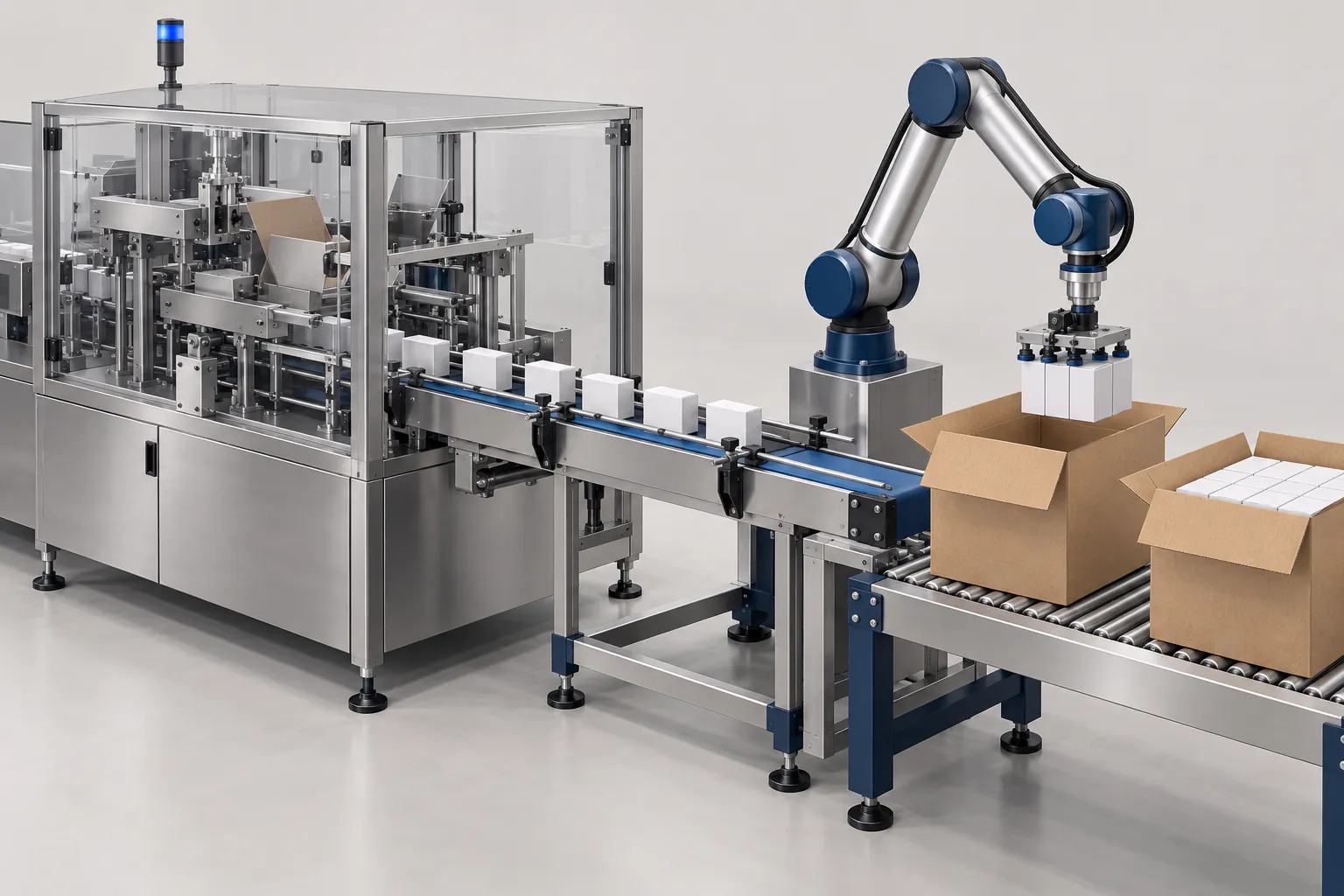
Cartoners vs. Case Packers: Where Each Fits in a Packaging Line
Compare cartoners and case packers by packaging level, loading style, product orientation, counting and end-of-line interfaces, with questions for suppliers.
Read guide