
How to Evaluate Packaging Equipment Manufacturers and Integrators
A practical framework for qualifying packaging machinery builders: OEM vs integrator capabilities, controls transparency, FAT requirements, and service SLA verification.
Evaluating packaging equipment suppliers requires auditing four criteria: whether you need a specialized OEM or an integrator, whether the PLC controls architecture is open and unpassworded, whether Factory Acceptance Testing (FAT) mandates real materials and continuous multi-hour runs, and whether domestic spare parts and technician dispatch SLAs are guaranteed.
Purchasing packaging machinery involves significant capital risk. Equipment that fails to achieve rated speeds, lacks domestic technical support, or relies on black-box proprietary software quickly turns into an ongoing operational liability.
Evaluating equipment builders is not about reviewing glossy marketing brochures or supplier claims of being the “industry leader.” It requires evaluating technical capability across four fundamental pillars: mechanical engineering, electrical architecture, acceptance validation protocols, and long-term lifecycle support.
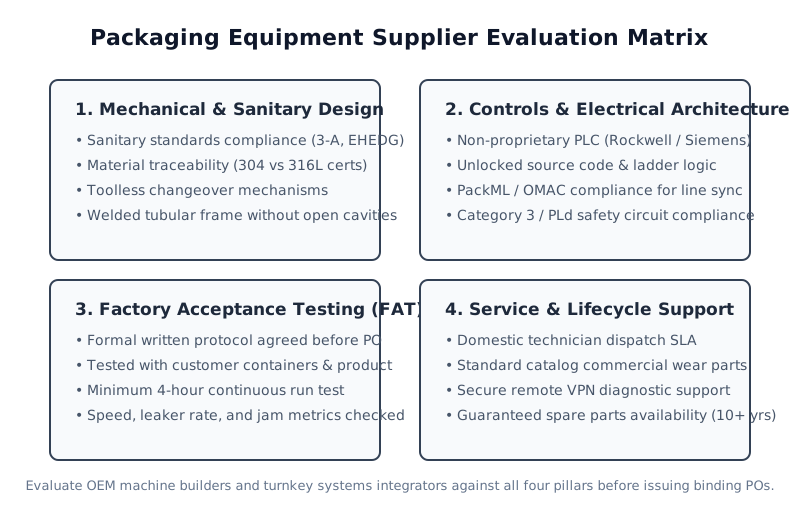
1. OEM Machine Builder vs. Systems Integrator
Before evaluating proposals, establish whether your project requires an Original Equipment Manufacturer (OEM) or a Turnkey Systems Integrator:
- OEM Machine Builders: Design and fabricate specific unit operations (e.g., a rotary liquid filler, an automatic carton erector, or a robotic palletizer). Dealing directly with an OEM is ideal when replacing a single machine on an existing packaging line.
- Turnkey Systems Integrators: Take multiple machines from different OEMs, design the intermediate accumulation conveyors, program the central line PLC supervisory control, and accept contractual responsibility for overall line throughput.
- The Evaluation Risk: Single-machine OEMs often claim they can “integrate the whole line,” but lack engineering depth in dynamic conveyor backpressure and line balancing. Conversely, third-party integrators can add 15% to 30% markups without manufacturing the underlying hardware.
Clarify line boundaries early using our packaging line integration checklist.
2. Electrical Controls & Architecture Transparency
One of the costliest traps in machinery procurement is locked, proprietary control architecture:
- Mainstream PLC Platforms: Insist on non-proprietary, commercially supported control platforms (such as Rockwell Allen-Bradley GuardLogix or Siemens S7-1500). Avoid suppliers using proprietary microcontrollers where a single blown motherboard requires a replacement flown from overseas.
- Unlocked PLC Code: State clearly in your Request for Quotation (RFQ) that full, uncompiled, and unpassworded PLC ladder logic and HMI project files must be delivered with the machine. Suppliers who hold code hostage force plants to pay exorbitant service fees for routine recipe modifications.
- PackML Compliance: For integrated lines, require the builder to follow OMAC PackML (ISA-TR88.00.02) state architecture. This standardizes operating states (Starting, Running, Holding, Cleared) and simplifies communications between different builders across the line.
3. Factory Acceptance Testing (FAT) Rigor
Never wire final progress payments until a rigorous Factory Acceptance Test (FAT) is executed and signed off at the builder’s facility:
- Real Packaging Materials: Run the test using actual production containers, closures, corrugated cases, and product simulant. Builders who test machines using clean acrylic blocks or empty cartons will experience unpredicted jams when handling real flexible packaging or static-charged plastic bottles.
- Continuous Sustained Run: Mandate a minimum 4-hour continuous uninterrupted run at 100% of rated nameplate speed. The acceptance protocol must define clear quantitative thresholds for jams, leakers, and reject rates.
- Protocol Documentation: Detail the exact testing protocol in the initial contract using our FAT vs. SAT packaging equipment guide.
4. Field Service & Lifecycle Support Verification
A packaging machine operates for 10 to 20 years; evaluate the supplier’s ongoing support infrastructure:
| Evaluation Checkpoint | Verification Method | Unacceptable Answer |
|---|---|---|
| Domestic Technician Dispatch | Ask for the location and size of their domestic field service team. | “We fly service engineers in from overseas on short notice.” |
| Commercial Off-the-Shelf Parts | Audit bill of materials (BOM) for standard catalog bearings (SKF), pneumatics (Festo/SMC), and sensors (Keyence/Sick). | Custom-machined bushings or rebranded sensors with proprietary pinouts. |
| Remote VPN Diagnostics | Verify machine has secure cellular or VPN diagnostic access for software troubleshooting. | “No remote access; technicians must travel on-site for software updates.” |
| Customer Reference Calls | Request 3 references running similar container formats and production shift patterns. | Generic reference lists without contact names or direct plant phone numbers. |
Before signing binding commitments, structure your commercial specifications using our packaging machine RFQ checklist and model the full lifecycle spending with our packaging machine total cost of ownership guide.
Update history
- : First published.
Next steps
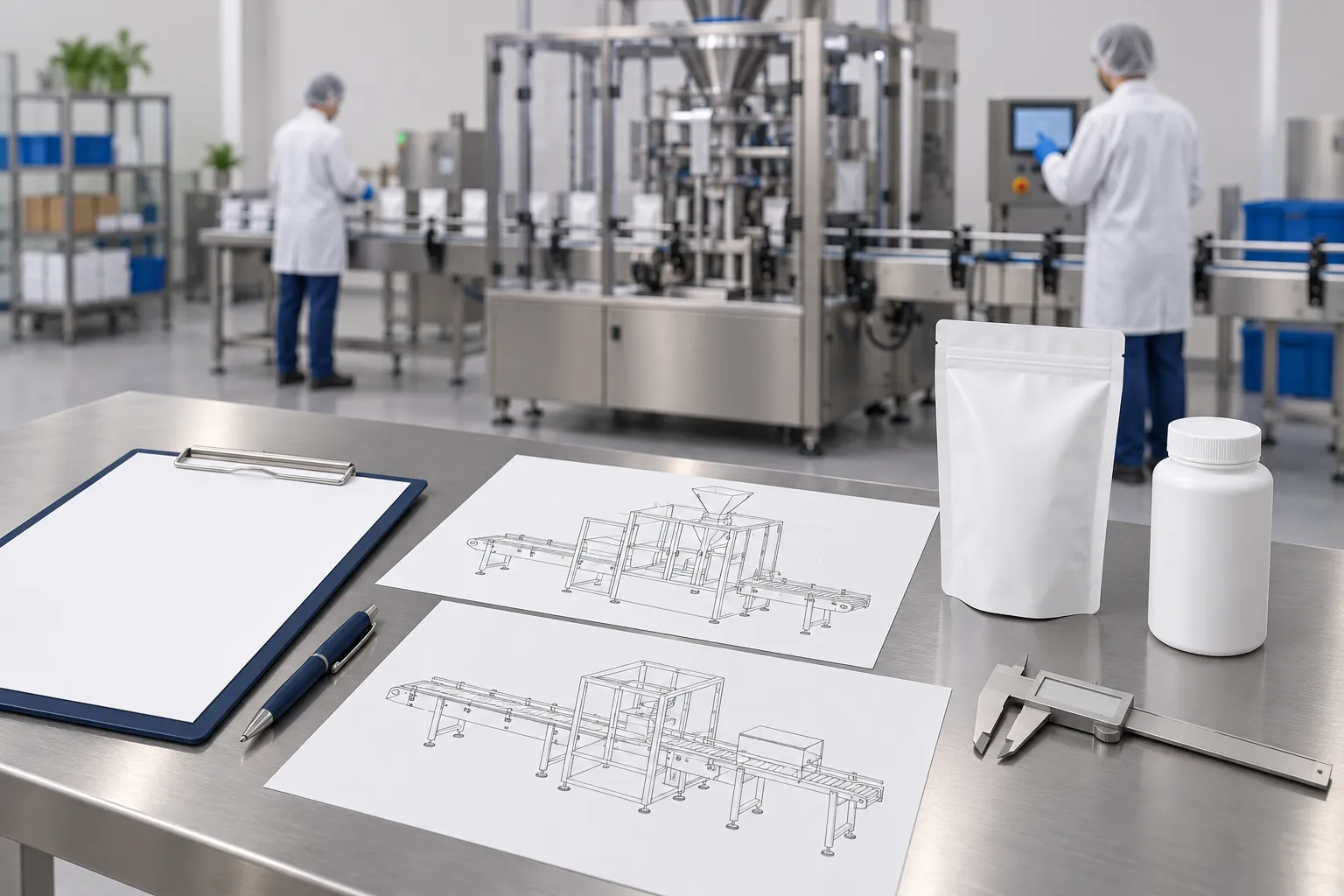
Packaging Machine RFQ Checklist: Information Suppliers Need
A reusable blank RFQ template for packaging machines in nine sections, with the reason suppliers need each item and a list of commonly missed details.
Read guide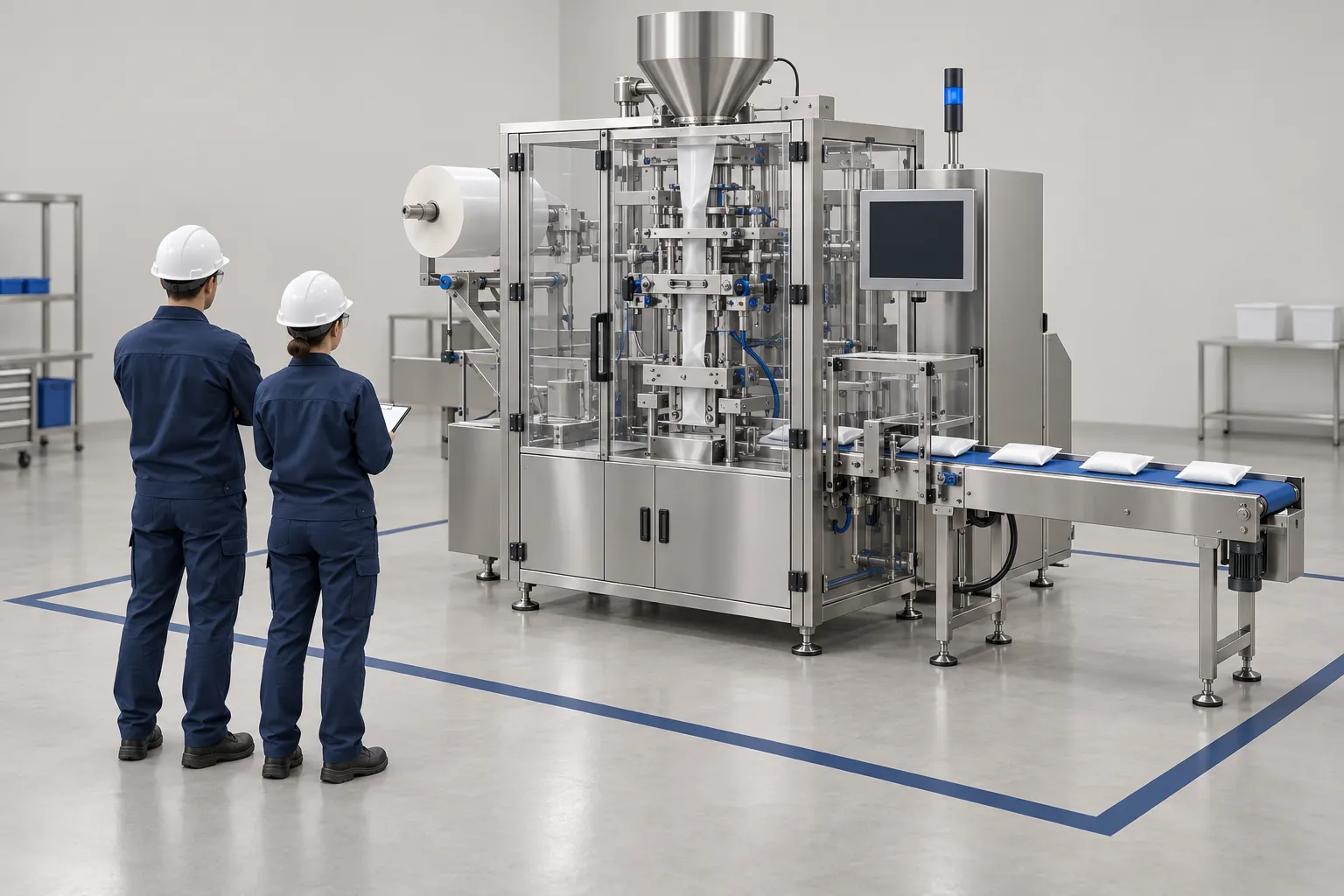
FAT vs. SAT for Packaging Equipment: Defining Acceptance Criteria
Compare factory and site acceptance tests for packaging machines, and learn how to write acceptance criteria that both buyer and supplier can verify.
Read guide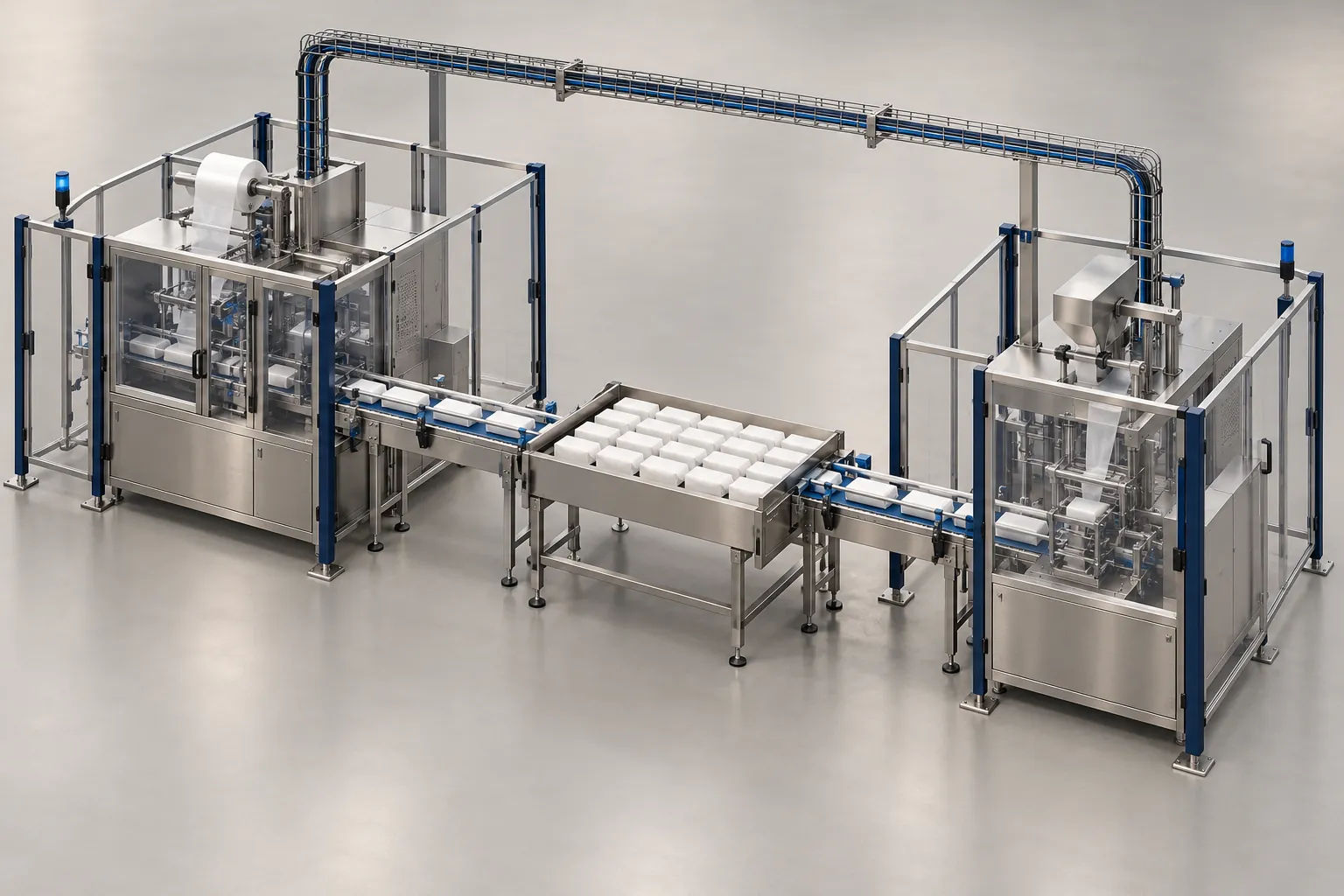
Packaging Line Integration Checklist: Interfaces to Confirm Before Ordering
Checklist of mechanical, electrical, signal, communication, safety and utility interfaces to settle before ordering a machine for a packaging line.
Read guide